
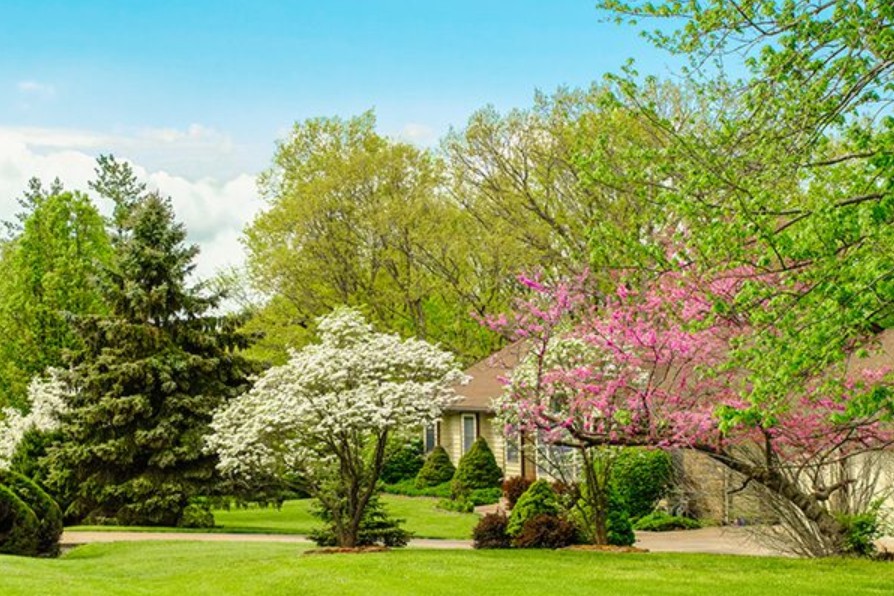
Trees are the backbone of any garden, providing structure, shade, and beauty. With thousands of species to choose from, selecting the right trees can transform an ordinary outdoor space into a stunning sanctuary. While traditional trees like oaks and maples are always reliable choices, many unique varieties can add exceptional character and visual interest to your garden. Whether you’re looking for shade, flowers, or distinctive foliage, there’s a tree species to meet your design needs.
When planning your garden, it’s important to explore various options and discover new species of trees that can enhance your landscape. This guide highlights seven unique tree species ideal for adding vibrant color, texture, and depth to your yard.
By incorporating these trees into your landscape, you can create a more dynamic and aesthetically pleasing environment while providing benefits like improved air quality and wildlife habitat.
1. Japanese Maple (Acer palmatum)
Japanese maples are celebrated for their striking foliage, varying from deep reds and purples to bright greens and yellows. These delicate trees are perfect for small gardens or as focal points, as they typically grow to about 15-25 feet tall. They thrive in partial shade, making them a great option for gardens that may not receive full sunlight.
One of the most appealing aspects of the Japanese maple is its unique leaf shapes, which add an element of texture and interest throughout the seasons. In spring, the new leaves may emerge in vibrant colors, and in fall, they turn stunning shades of red, orange, and yellow. Placing a Japanese maple near a water feature can magnify its beauty, as its reflection adds an artistic touch to the landscape.
2. Olive Tree (Olea europaea)
Olive trees are not only known for their delicious fruit but also for their sculptural form and silvery foliage that adds a Mediterranean flair to gardens. These trees are drought-tolerant and thrive in well-drained soil and full sun, making them an excellent choice for warm climates.
Olive trees can grow large, reaching heights of 20-30 feet, but they can also be cultivated in smaller forms, perfect for container gardening. Beyond their utility in producing olives, they offer beautiful flowers in spring and enchanting foliage throughout the year. Integrating an olive tree into your garden can evoke the charm of the Mediterranean, creating an inviting atmosphere.
3. Weeping Willow (Salix babylonica)
The Weeping Willow is iconic for its drooping branches that create a graceful, cascading effect. Often found near water bodies, these trees thrive in moist soil and can grow up to 30-40 feet tall, making them suitable for larger gardens with ample space.
Weeping Willows are especially popular for creating serene outdoor environments, with their long, slender leaves providing a gentle rustling sound in the wind. They serve as excellent shade trees and can add a tranquil feel to your garden landscape. For a picturesque area, plant a Weeping Willow beside a pond or stream, allowing it to showcase its unique form by the water’s edge.
4. Flowering Cherry (Prunus serrulata)
For those looking to add stunning seasonal beauty, the Flowering Cherry tree offers breathtaking displays of pink or white blossoms in spring. These trees range from 15 to 30 feet tall and are ideal for front yards or parks where their beauty can be appreciated.
In addition to their striking flowers, Flowering Cherries have beautiful fall foliage, often turning yellow and orange, extending their appeal throughout the seasons. These trees also attract pollinators, making them a great choice for a healthy ecosystem. Consider planting multiple trees together to create a spectacular springtime display, turning your garden into a colorful wonderland.
5. Red Maple (Acer rubrum)
The Red Maple is a fast-growing tree that can significantly enhance your garden’s landscape. Known for its striking red leaves in the fall and beautiful yellow-green flowers in spring, this tree adds visual interest year-round. It typically grows to about 40-60 feet tall, making it a great choice for larger spaces.
Red Maples are adaptable and thrive in various soil conditions, from wet areas to well-drained soils. They also provide excellent shade during the hot summer months, making them a functional addition to your garden. Planting a Red Maple in a prominent location can create a stunning focal point and transform your garden into a vibrant seasonal display.
6. Tulip Tree (Liriodendron tulipifera)
The Tulip Tree is a stunning choice for gardens with ample space, growing 70 to 100 feet in height. Known for its distinctive tulip-shaped flowers, which bloom in late spring, this tree adds an exotic touch to your landscape. Its large, bright green leaves turn a beautiful shade of golden yellow in the fall, providing year-round interest.
The Tulip Tree is also incredibly beneficial to wildlife, attracting pollinators like bees and butterflies during bloom season. This tree thrives in full sun and needs well-drained soil to establish a strong root system. Planting a Tulip Tree offers not only dramatic beauty but also ecological benefits, making it a worthwhile addition to any garden.
7. Crape Myrtle (Lagerstroemia indica)
Crape Myrtle is another popular flowering tree known for its vibrant, long-lasting blossoms that come in hues of pink, purple, red, and white. These trees can grow anywhere from 5 to 25 feet tall, making them versatile for both small and large gardens.
In addition to their stunning flowers, Crape Myrtles have handsome bark that sheds to reveal smooth, mottled textures, adding visual interest throughout the year. They thrive in full sun and are drought-tolerant once established, making them an excellent choice for low-maintenance landscaping. Pruning in late winter encourages vigorous blooms, ensuring your Crape Myrtle remains a standout feature in your garden.
Frequently Asked Questions (FAQs)
Which trees are best for small gardens?
Dwarf varieties of trees, like the Crape Myrtle or Flowering Cherry, are ideal for smaller spaces due to their compact growth habits.
Do olive trees produce fruit in all climates?
Olive trees thrive best in warm, sunny climates with well-drained soil, making them suitable for Mediterranean-like conditions.
How fast do Red Maples grow?
Red Maples are fast-growing trees and can grow up to 3–5 feet a year under optimal conditions.
Can I grow flowering cherry trees in a container?
Yes, smaller varieties of flowering cherry trees can thrive in containers, making them suitable for patios or small gardens.
Are magnolia trees suitable for urban gardens?
Yes, smaller species of magnolias, like the Teddy Bear Magnolia, work well in urban settings where space is limited.
Conclusion
Incorporating unique tree species into your garden can breathe new life into your outdoor space, enhancing both its beauty and functionality. From the delicate blossoms of the Flowering Cherry to the striking silhouette of the Tulip Tree, each variety adds a unique character to your landscape. Whether you opt for olive trees for their elegance or Weeping Willows for their tranquility, these trees offer various benefits, from ecological advantages to striking aesthetics.
By selecting the right trees tailored to your garden’s conditions and style, you can create a stunning environment that flourishes year-round. Embrace the beauty of unique tree species and transform your garden into an oasis of nature’s best offerings!
