
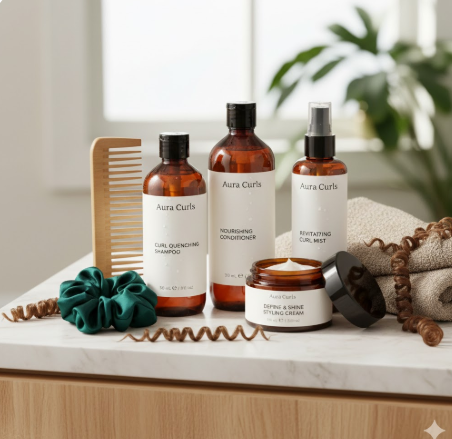
Introduction: Why Curly Hair Products Matter More Than You Think
Curly hair is unique, beautiful, and expressive—but it also requires specialized care. Unlike straight hair, curls have a natural structure that makes them more prone to dryness, frizz, and breakage. That’s why choosing the right curly hair products is not just a styling preference—it’s essential for maintaining healthy, defined, and manageable curls.
From shampoos and conditioners to leave-ins, gels, creams, and oils, the curly hair market has exploded in recent years. According to industry reports, the global textured hair care market is projected to grow steadily due to increased awareness of curl-specific routines and ingredients. However, with thousands of options available, many people still struggle to find products that actually work for their curl type.
This comprehensive guide breaks down everything you need to know about curly hair products—backed by professional expertise, ingredient science, and real-world experience. Whether you have loose waves, tight coils, or anything in between, this article will help you make informed, confident choices.
Understanding Curly Hair: Structure, Types, and Needs
Why Curly Hair Is Different
Curly hair differs from straight hair at a structural level. The hair follicle is oval or asymmetrical, causing the strand to bend as it grows. This shape prevents natural scalp oils (sebum) from traveling evenly down the hair shaft, leading to dryness and increased fragility.
Because of this, curly hair products must prioritize:
- Moisture retention
- Gentle cleansing
- Curl definition without stiffness
- Protection against humidity and friction
Curl Types Explained (Type 2, 3, and 4)
Understanding your curl type helps you choose the right products:
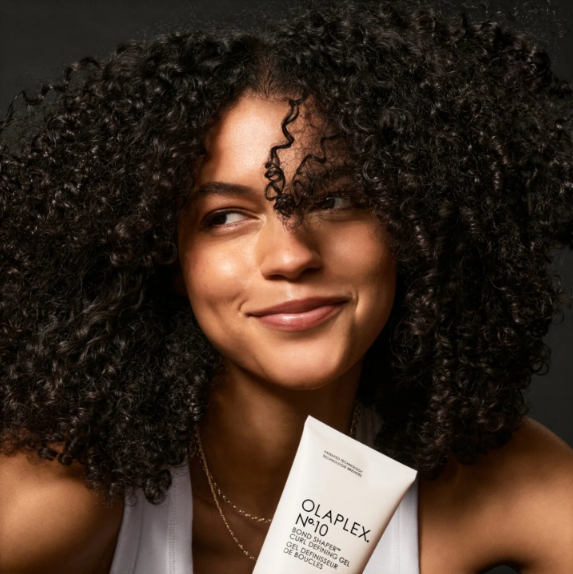
Type 2: Wavy Hair
- Loose S-shaped waves
- Prone to frizz and flatness
- Benefits from lightweight gels and mousses
Type 3: Curly Hair
- Defined spirals or ringlets
- Needs balanced moisture and hold
- Works well with curl creams and gels
Type 4: Coily / Kinky Hair
- Tight curls or zig-zag patterns
- Extremely moisture-dependent
- Requires rich butters, oils, and leave-ins
Each type responds differently to ingredients, textures, and routines.
Key Ingredients to Look for in Curly Hair Products
Moisturizing Ingredients That Curls Love
High-quality curly hair products rely on humectants, emollients, and occlusives to lock in moisture.
Top moisturizing ingredients include:
- Shea butter
- Aloe vera
- Glycerin (in moderate humidity)
- Coconut oil
- Avocado oil
- Honey
These ingredients hydrate curls without stripping natural oils.
Proteins: Strength Without Stiffness
Curly hair benefits from protein, but too much can cause dryness.
Common curl-friendly proteins:
- Hydrolyzed silk protein
- Wheat protein
- Keratin (light formulations)
If your curls feel brittle or straw-like, you may be protein-sensitive.
Ingredients to Avoid
Many traditional hair products contain harsh ingredients that damage curls over time:
- Sulfates (SLS, SLES)
- Drying alcohols (isopropyl alcohol)
- Non-water-soluble silicones
- Heavy waxes
Curl-safe formulas are often labeled as sulfate-free, silicone-free, or Curly Girl Method approved.
Essential Curly Hair Products and What They Do
1. Curly Hair Shampoo
Curly hair shampoos should cleanse without stripping moisture.
Best features to look for:
- Sulfate-free formulas
- Added moisturizers
- Low-lather cleansing agents
Many curl experts recommend washing 1–3 times per week to prevent dryness.
2. Conditioner for Curly Hair
Conditioner is non-negotiable for curls. It restores moisture, smooths the cuticle, and improves manageability.
Types of conditioners:
- Rinse-out conditioners
- Deep conditioners
- Co-wash conditioners
Deep conditioning once a week can significantly reduce breakage and frizz.
3. Leave-In Conditioners
Leave-ins provide ongoing hydration and slip.
Benefits:
- Detangles curls
- Reduces frizz
- Improves curl clumping
Lightweight leave-ins suit wavy hair, while thicker formulas benefit coily textures.
4. Curl Creams
Curl creams enhance definition while keeping curls soft.
They are ideal for:
- Medium to thick curls
- Dry or color-treated hair
- Soft, touchable styles
Curl creams work best when applied to damp hair.
5. Gels and Stylers
Curl gels provide hold and structure.
Modern curly hair products use alcohol-free gels that:
- Reduce frizz
- Lock in curl shape
- Create a cast that can be scrunched out
For best results, pair gel with a leave-in or cream.
6. Oils and Serums
Oils seal moisture rather than hydrate.
Best oils for curls:
- Argan oil
- Jojoba oil
- Castor oil
- Grapeseed oil
Use sparingly to avoid buildup.
Building the Perfect Curly Hair Routine
Step-by-Step Curly Hair Care Routine
- Cleanse with sulfate-free shampoo
- Condition generously
- Apply leave-in on soaking wet hair
- Layer curl cream or gel
- Scrunch or finger-coil
- Air-dry or diffuse
Consistency is more important than product quantity.
How Often Should You Wash Curly Hair?
Most curl specialists recommend washing every 3–7 days depending on:
- Scalp oil production
- Curl tightness
- Product buildup
Over-washing is one of the biggest causes of dry curls.
Common Curly Hair Problems and Product Solutions
Frizz Control
Frizz is caused by moisture imbalance.
Solutions:
- Use humectant-balanced products
- Apply stylers on wet hair
- Avoid touching hair while drying
Dryness and Breakage
Dry curls need:
- Weekly deep conditioning
- Oil sealing
- Low-manipulation styling
Lack of Curl Definition
If curls look undefined:
- Try lighter layering
- Use stronger hold gel
- Clarify buildup once a month
Curly Hair Products for Different Lifestyles
Curly Hair Products for Men
Men’s curly hair products focus on:
- Simple routines
- Lightweight stylers
- Scalp health
Many unisex curl brands now cater to short curly styles.
Curly Hair Products for Kids
Children’s curls need:
- Tear-free formulas
- Gentle ingredients
- Easy detangling products
Avoid heavy fragrances and harsh cleansers.
Science, Statistics, and Industry Insights
- Studies show textured hair retains up to 50% less natural oil than straight hair.
- The natural hair movement has increased demand for curl-specific products by over 30% globally.
- Dermatologists confirm sulfate-free shampoos reduce scalp irritation in curly hair types.
These insights reinforce the importance of targeted curly hair products rather than generic formulas.
Frequently Asked Questions (FAQs)
What are the best curly hair products for beginners?
Start with a sulfate-free shampoo, moisturizing conditioner, leave-in conditioner, and light gel.
Can curly hair products work on wavy hair?
Yes. Choose lightweight formulas designed for Type 2 curls.
Are expensive curly hair products better?
Not always. Ingredient quality matters more than price.
Should curly hair avoid silicones?
Non-water-soluble silicones can cause buildup, but some modern silicones are curl-safe when used correctly
Conclusion: Choosing the Right Curly Hair Products with Confidence
Finding the right curly hair products is a journey, not a one-time purchase. Every curl pattern is unique, and the best results come from understanding your hair’s needs, reading ingredient labels, and following a consistent routine.
With the right products, curls can be healthier, shinier, more defined, and easier to manage—without relying on harsh chemicals or excessive styling. Whether you’re embracing your natural texture for the first time or refining an existing routine, informed choices make all the difference.
Healthy curls start with the right care—and the right products.
