
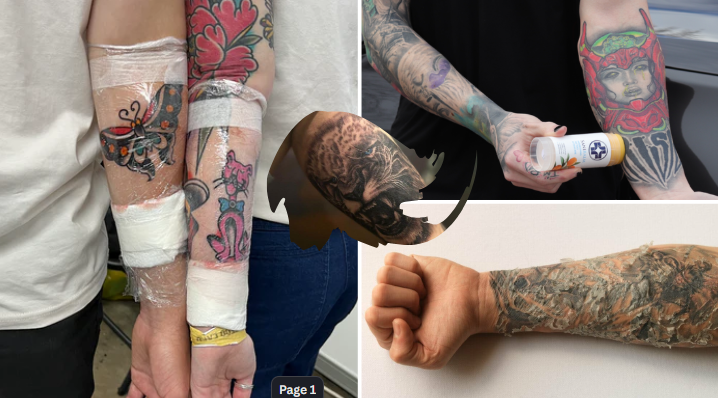
Getting a tattoo is both a personal and physical commitment. While choosing a design and artist often gets the most attention, the healing process is just as important for the final result. One of the most searched and misunderstood questions is how long does it take for a tattoo to heal, and the answer is more complex than many people expect. Tattoo healing happens in stages, involves multiple layers of skin, and is influenced by factors such as tattoo size, placement, skin type, and aftercare habits.
From a medical standpoint, a tattoo is an intentional wound created by repeatedly puncturing the skin to deposit ink into the dermis. Because of this, your body treats a new tattoo like any other injury and immediately begins the repair process. Understanding what happens during healing, how long each stage lasts, and what you can do to support recovery helps prevent infection, ink loss, and long-term skin damage.
This in-depth guide explains the full tattoo healing timeline, what is normal versus problematic, how aftercare affects healing speed, and when a tattoo is considered fully healed beneath the surface. The goal is to give you accurate, experience-based information that helps protect both your health and your artwork.
The Short Answer: Average Tattoo Healing Time
For most people, the visible healing of a tattoo takes about two to four weeks. During this period, the skin closes, peeling subsides, and surface irritation fades. However, full healing beneath the skin takes longer, typically between six and twelve weeks. Even when a tattoo looks healed on the outside, the deeper layers of skin may still be repairing tissue and stabilizing ink particles.
This distinction is important because many people stop aftercare too early, assuming the tattoo is fully healed once it no longer scabs or peels. Premature exposure to sun, swimming, friction, or harsh products can disrupt deeper healing and affect the long-term appearance of the tattoo.
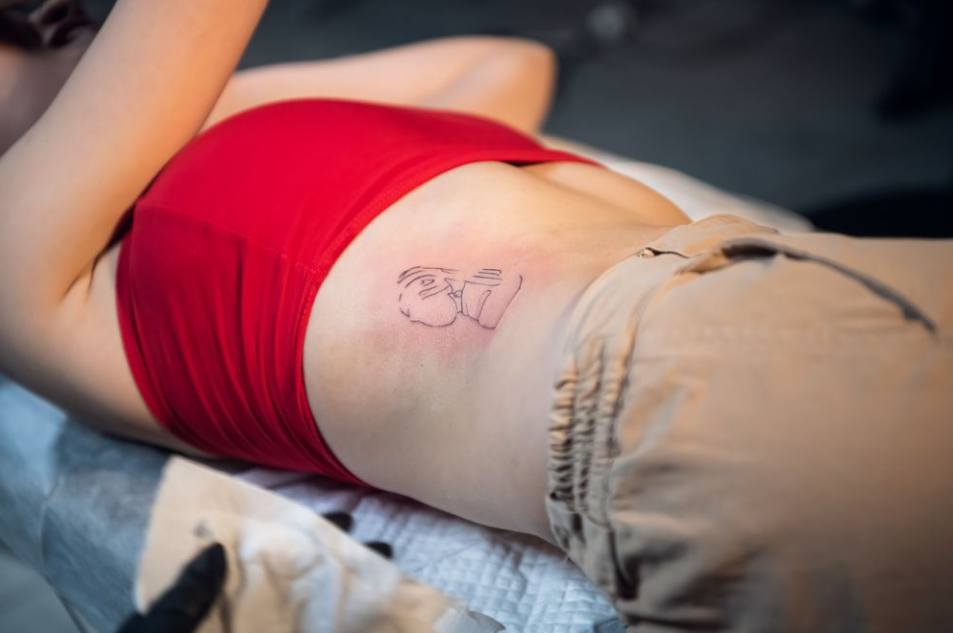
Why Tattoo Healing Takes Time
Tattoo needles penetrate past the epidermis and deposit ink into the dermis, which is the layer responsible for skin strength and elasticity. Unlike the surface layer, the dermis heals slowly. Blood vessels, connective tissue, and immune cells all play a role in repairing the damage caused during tattooing.
Your body responds by sending white blood cells to clean the area, forming scabs to protect the wound, and generating new skin cells to seal the injury. This process cannot be rushed without increasing the risk of infection, scarring, or ink distortion. Healing time varies because every person’s immune system, skin condition, and lifestyle are different.
Also Read: Curly Hair Products: Best Guide for Healthy, Defined Curls
Tattoo Healing Stages Explained
Stage One: Open Wound and Initial Inflammation
The first stage occurs immediately after the tattoo session and lasts roughly three to five days. During this time, the tattoo is an open wound. Redness, swelling, warmth, and mild pain are normal responses as blood and plasma seep to the surface. The tattoo may feel sore or tight, similar to a sunburn.
This is the most critical stage for hygiene. Proper cleaning, gentle moisturizing, and avoiding contamination help prevent bacteria from entering the skin. At this point, excessive redness spreading beyond the tattoo, pus, or fever may indicate infection and should not be ignored.
Stage Two: Scabbing, Peeling, and Itching
Between days four and fourteen, the tattoo begins to scab and peel. This stage often causes the most concern for first-time tattoo recipients. Flaking skin, itchiness, and dull-looking ink are normal parts of healing. The peeling resembles a mild sunburn as dead skin cells shed and new skin forms underneath.
Scratching, picking, or over-moisturizing during this phase can pull ink out of the dermis and cause patchy results. Allowing scabs to fall off naturally protects the design and ensures even healing.
Stage Three: Surface Healing and Skin Renewal
From weeks two to four, most tattoos appear healed on the surface. The skin no longer flakes, redness subsides, and the tattoo regains clarity. However, the area may still feel slightly sensitive or dry. This is when many people mistakenly believe healing is complete.
Although the epidermis has regenerated, the dermis continues to repair microscopic trauma. Maintaining gentle skincare during this stage supports long-term tattoo quality.
Stage Four: Deep Skin Healing
Between one and three months after tattooing, deeper layers of skin continue strengthening and stabilizing ink particles. The tattoo may occasionally feel tight or slightly raised, especially after exercise or temperature changes. This is normal and usually temporary.
Once this stage is complete, the tattoo is considered fully healed. At this point, the ink has settled permanently, and the risk of healing-related complications is minimal.
Also Read: Ninja Low Taper Fade The Ultimate Guide to a Viral Hair Trend
Factors That Affect How Long a Tattoo Takes to Heal
Tattoo healing time is not identical for everyone. Several factors influence how quickly and smoothly the process unfolds.
Tattoo size and complexity play a major role. Larger tattoos cause more trauma to the skin and require longer healing times. Highly detailed or heavily shaded designs also involve repeated needle passes, increasing inflammation.
Tattoo placement significantly affects healing speed. Areas with good blood circulation, such as the upper arm or thigh, tend to heal faster than areas with constant movement or friction like hands, feet, ribs, or joints. Tattoos on thin skin or areas exposed to clothing irritation often take longer to heal.
Skin type and overall health influence recovery. People with dry skin may experience prolonged peeling, while those with oily skin may struggle with clogged pores or breakouts during healing. Conditions such as diabetes, autoimmune disorders, or poor circulation can slow wound repair.
Aftercare habits are one of the most controllable factors. Proper cleaning, moisturizing, sun protection, and avoiding irritants can significantly shorten healing time and improve results. Conversely, neglecting aftercare or using harsh products often leads to delayed healing or ink damage.
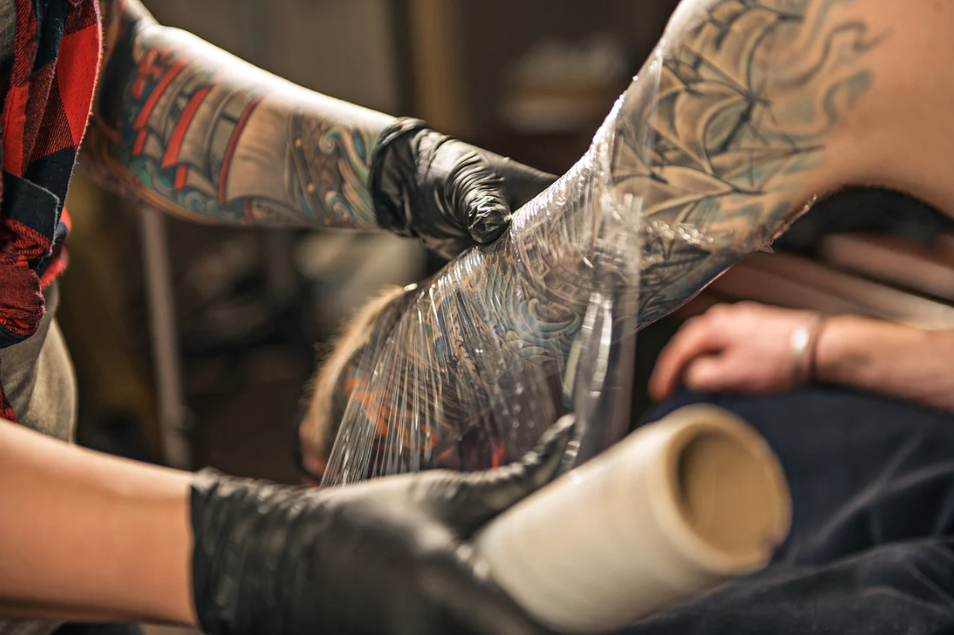
Tattoo Aftercare and Its Impact on Healing Time
Professional tattoo artists emphasize aftercare because it directly affects how long it takes for a tattoo to heal and how it looks once healed. Cleaning the tattoo gently with lukewarm water and fragrance-free soap removes bacteria without stripping essential moisture. Applying a thin layer of recommended ointment or moisturizer helps prevent cracking while allowing the skin to breathe.
Overwashing or over-moisturizing can be just as harmful as neglect. Excess moisture can soften scabs and increase the risk of infection. Dryness, on the other hand, can cause cracking and scarring. Finding balance is essential.
Sun exposure is one of the most common causes of delayed healing and long-term tattoo fading. Ultraviolet rays damage healing skin and break down pigment molecules. Keeping a healing tattoo covered and applying sunscreen only after full healing preserves color and detail.
Also Read: Timeless Style The Blazertje and Zwart Blazertje Guide
Signs Your Tattoo Is Healing Normally
A healing tattoo goes through predictable changes. Mild redness that fades over several days, light scabbing, peeling, and itching are expected. The tattoo may look cloudy or dull before the top layer of skin fully regenerates.
Slight tenderness or tightness during movement is also common, especially for tattoos placed over joints or muscles. These sensations gradually decrease as healing progresses.

Warning Signs of Delayed Healing or Infection
While most tattoos heal without complications, certain symptoms should not be ignored. Increasing pain after the first few days, spreading redness, excessive swelling, yellow or green discharge, foul odor, or fever may indicate infection. Persistent scarring, raised bumps, or severe itching beyond the first few weeks could signal an allergic reaction or improper healing.
Seeking medical advice early prevents long-term damage and ensures safe recovery.
Also Read: Befitnatics.com The Inspiring Story Behind the Fitness Platform Transforming Lives
How Long Before You Can Resume Normal Activities?
Many people ask how soon they can return to exercise, swimming, or sun exposure. Light movement is generally safe after a few days, but intense workouts that cause friction or heavy sweating should be avoided for at least one to two weeks. Swimming in pools, oceans, or hot tubs should wait until the skin has fully closed, usually after three to four weeks.
Direct sun exposure should be avoided until full healing is complete, and sunscreen should only be applied once the tattoo is no longer an open wound.
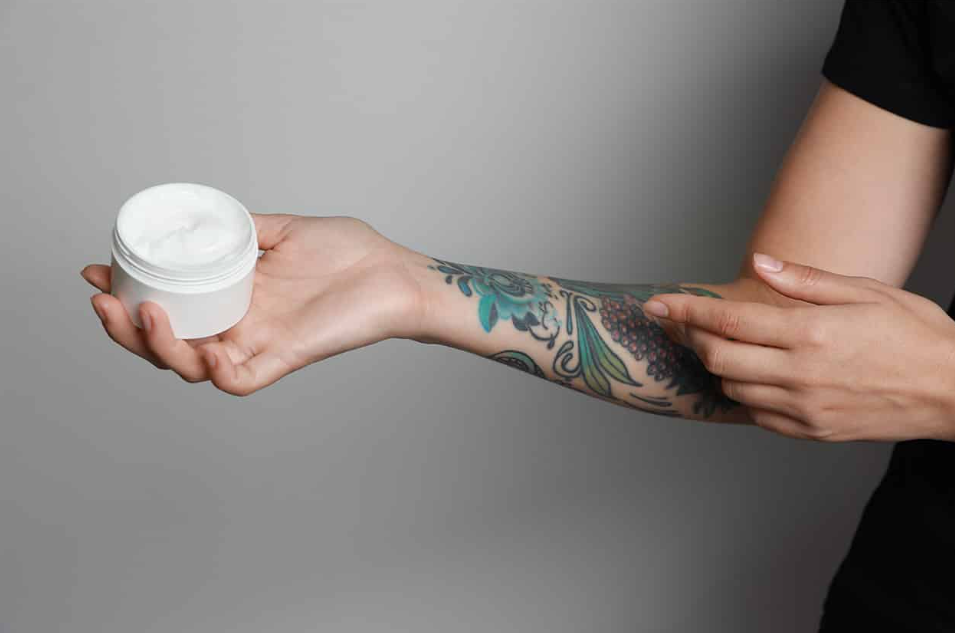
Long-Term Tattoo Care After Healing
Once healed, tattoos still require maintenance. Moisturizing regularly keeps skin healthy and prevents cracking. Using broad-spectrum sunscreen protects ink from fading and skin from damage. Proper long-term care ensures that a tattoo remains sharp and vibrant for years.
Final Thoughts: How Long Does It Take for a Tattoo to Heal?
So, how long does it take for a tattoo to heal? For most people, visible healing takes two to four weeks, while complete healing beneath the skin takes up to three months. Healing time depends on tattoo size, placement, skin type, health, and aftercare practices.
Treating a new tattoo as a healing wound rather than just artwork is the key to achieving the best results. With proper care, patience, and attention to your body’s signals, your tattoo can heal beautifully and remain a lasting expression of personal meaning.
