
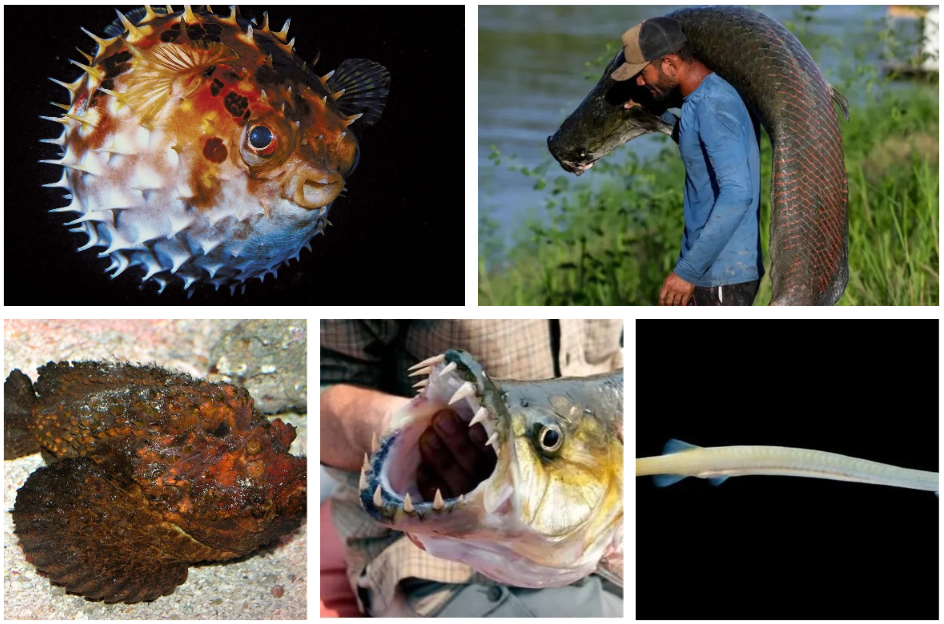
When people think about danger in the ocean, sharks usually come to mind first. However, sharks are far from the only threat lurking beneath the surface. In reality, some of the most dangerous fish are small, highly venomous, or deceptively calm-looking species that cause serious injuries and deaths every year. From tropical reefs to freshwater rivers, dangerous fish exist in nearly every aquatic environment on Earth.
This in-depth guide explores the most dangerous fish in the world, examining what makes them deadly, where they live, how often they harm humans, and how to stay safe around them. Drawing on marine biology research, real-world incident data, and expert insights, this article is designed to meet modern SEO standards while delivering genuine value and trustworthy information.
What Makes a Fish Dangerous?
The phrase “most dangerous fish” does not refer only to animals that actively attack humans. Danger can come from several biological and behavioral traits. Some fish are dangerous because of venom, others because of extreme aggression, and some because of sheer size and strength.
Venomous fish deliver toxins through spines, barbs, or bites, often causing intense pain, paralysis, or even death. Aggressive fish may defend territory or offspring and attack swimmers without provocation. Large predatory fish can cause severe trauma due to their speed, teeth, and power. Understanding these distinctions is essential to accurately evaluating which species truly deserve the label of most dangerous fish.
The Stonefish: The Most Venomous Fish on Earth
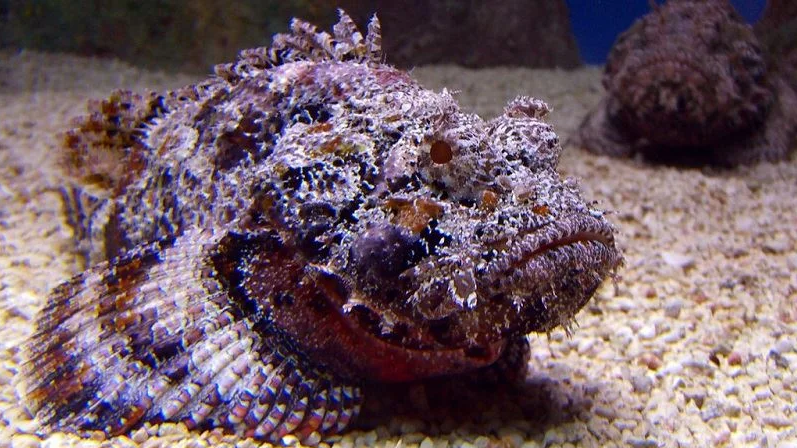
Among all marine animals, the stonefish is widely considered the most dangerous fish in the world. Found primarily in the Indo-Pacific region, stonefish blend perfectly into coral reefs and sandy seabeds, making accidental contact extremely common.
Stonefish possess up to thirteen dorsal spines, each capable of injecting potent venom. The toxin affects the nervous system and cardiovascular function, causing excruciating pain, tissue damage, paralysis, and, in rare cases, death. Victims often describe the pain as unbearable, even with medical treatment.
According to toxicology studies and hospital reports, stonefish envenomation is one of the leading causes of severe marine injuries in tropical regions. Immediate treatment with hot water immersion and antivenom significantly improves outcomes, but delays can be life-threatening.
Also Read: Readmymanga com Review 2025 Best Free Manga Site?
Pufferfish: Beautiful but Potentially Lethal
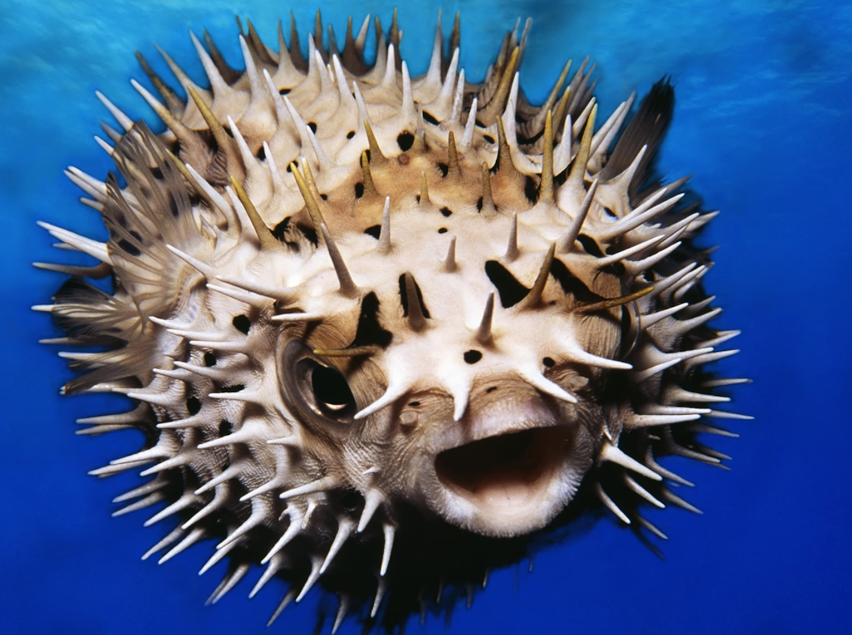
Pufferfish may look harmless or even cute, but they rank high among the most dangerous fish due to their extreme toxicity. Many pufferfish species contain tetrodotoxin, a neurotoxin that is up to 1,200 times more poisonous than cyanide.
This toxin is found in the liver, ovaries, intestines, and skin of the fish. Ingesting even a small amount can lead to numbness, respiratory failure, paralysis, and death within hours. There is no known antidote, making medical response purely supportive.
Despite the danger, pufferfish are consumed as a delicacy in some cultures, prepared only by licensed chefs. Improper preparation has resulted in numerous fatalities worldwide, reinforcing the fish’s reputation as one of the most dangerous fish known to humans.
Also Read: Pop-Tarts Bowl 2024: Game Info, Tickets & Experience
Tigerfish: Africa’s Aggressive Freshwater Predator
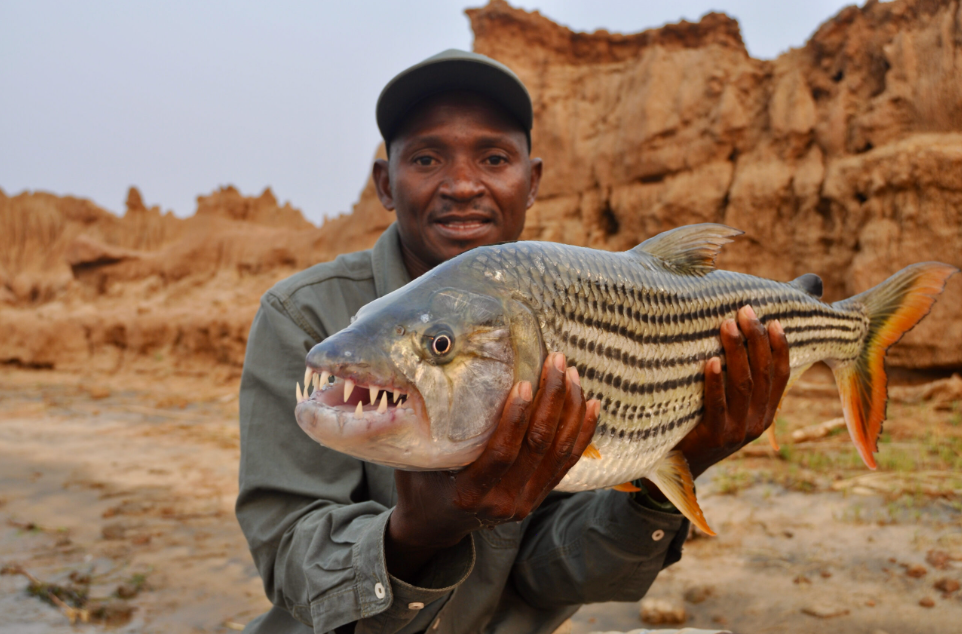
In freshwater environments, few species rival the tigerfish in terms of aggression. Native to African rivers and lakes, tigerfish are known for their speed, sharp teeth, and fearless nature.
Unlike many predatory fish that avoid humans, tigerfish have been documented attacking swimmers, especially in murky waters. Their razor–like teeth can inflict deep lacerations, leading to severe bleeding. Fishing experts often describe tigerfish as one of the most difficult and dangerous freshwater fish to handle due to their violent thrashing.
While attacks are relatively rare, the fish’s unpredictable behavior places it firmly among the most dangerous fish in freshwater ecosystems.
Great White Shark: Power, Precision, and Fear
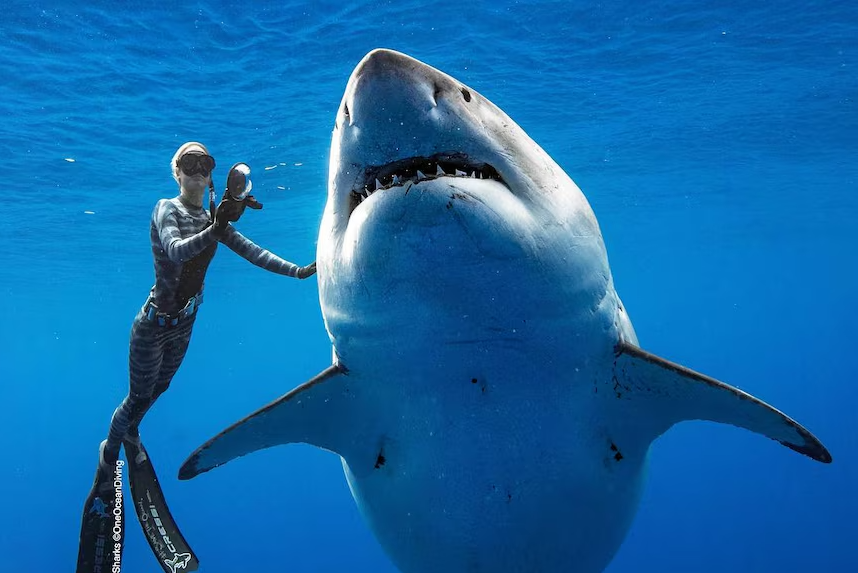
Although sharks are statistically less dangerous than commonly believed, the great white shark remains one of the most dangerous fish due to its size, strength, and predatory instincts. Great whites can grow over six meters long and weigh more than two tons.
Most shark incidents are believed to be cases of mistaken identity, particularly involving surfers. However, the injuries caused by a single bite can be catastrophic. According to global shark attack databases, great white sharks are responsible for the highest number of recorded fatal shark attacks.
It is important to note that sharks play a critical role in ocean ecosystems, and the risk to humans is extremely low compared to everyday activities. Still, their physical capabilities justify their inclusion among the most dangerous fish.
Also Read: Aavot com App Download – Features, Benefits & Guide
Electric Eel: High Voltage in Freshwater
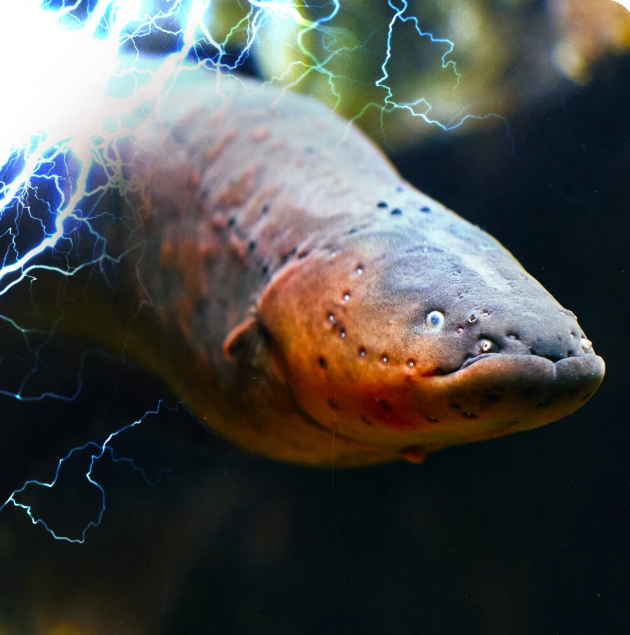
Despite its name, the electric eel is technically a fish and one of the most dangerous fish in South American freshwater systems. Electric eels can generate electric shocks of up to 860 volts, enough to stun prey, deter predators, and potentially incapacitate humans.
These shocks can cause muscle contractions, loss of consciousness, and drowning if a swimmer is shocked repeatedly. Researchers have documented electric eels using coordinated attacks to increase voltage output, demonstrating a level of biological sophistication that adds to their danger.
While fatalities are rare, electric eels remain a serious threat in rivers and floodplains where humans wade or swim.
Moray Eel: Territorial and Powerful Bites
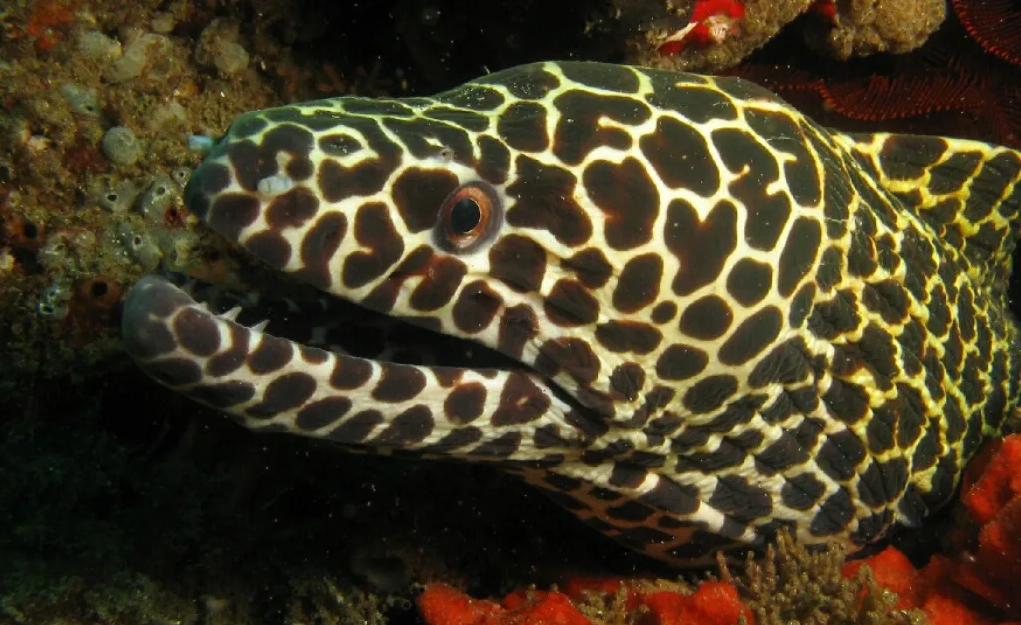
Moray eels are often misunderstood but still qualify as dangerous fish due to their defensive aggression. Found in coral reefs worldwide, moray eels have strong jaws, sharp teeth, and a tendency to bite when threatened.
Many injuries occur when divers attempt to feed or touch moray eels. Their bites can result in deep puncture wounds and secondary infections due to bacteria in their mouths. Some species also produce mild venom, increasing the severity of injuries.
Respecting their space and avoiding interaction significantly reduces the risk, but their behavior earns them a place among the most dangerous fish for divers.
Also Read: YesMovies Free Streaming App Info & Top Alternatives
Barracuda: Speed and Sudden Attacks
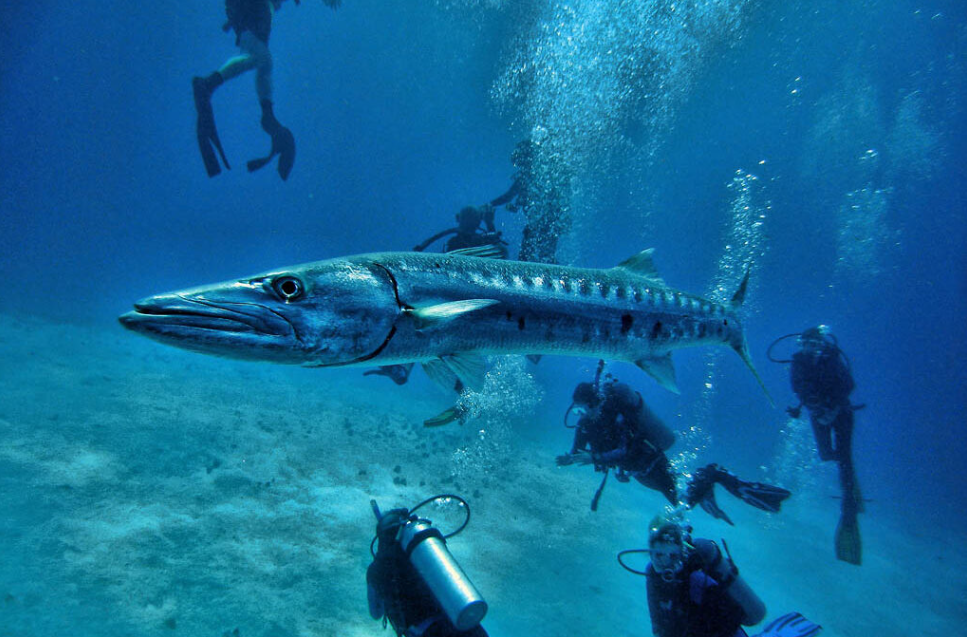
Barracudas are sleek, fast predators capable of reaching speeds over 35 miles per hour. They are attracted to shiny objects, which can sometimes lead to mistaken attacks on swimmers wearing jewelry.
Barracuda bites are rare but severe, often involving large chunks of flesh being removed. Their speed and ambush tactics make such incidents sudden and difficult to avoid.
While not inherently aggressive toward humans, their hunting behavior and powerful jaws place barracudas among the most dangerous fish in tropical waters.
Freshwater Stingray: Silent but Deadly
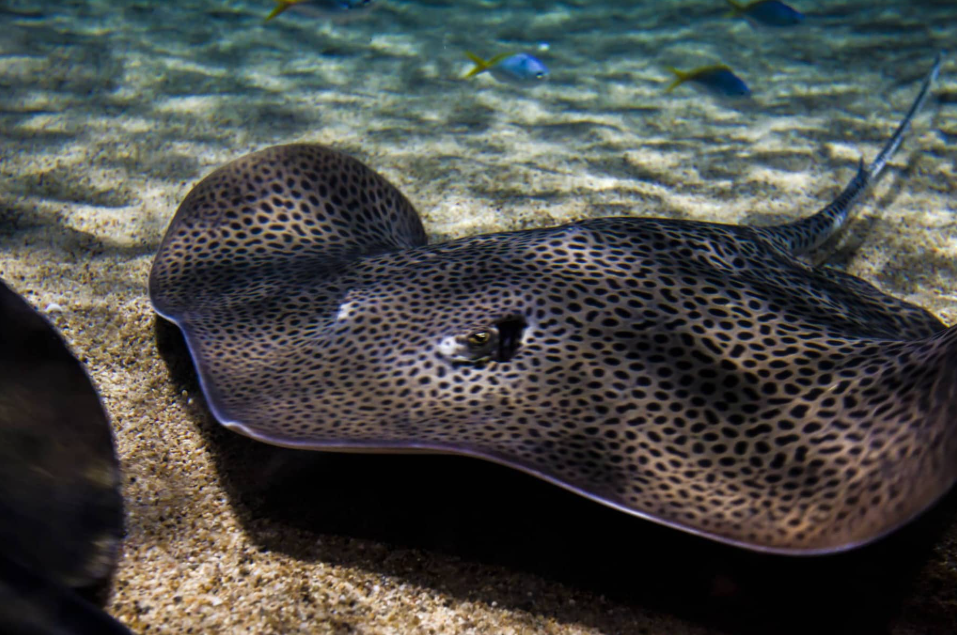
Freshwater stingrays are responsible for more human fatalities than many larger fish. Their danger comes from a venomous tail spine, which they use defensively when stepped on.
In one of the most well-known cases, a freshwater stingray caused the death of wildlife expert Steve Irwin, highlighting the potential severity of such encounters. The venom can cause intense pain, tissue necrosis, and cardiovascular complications.
These fish often bury themselves in sand, making accidental contact common. Wearing protective footwear and shuffling feet while walking in shallow water can reduce the risk.
Also Read: What is Virttualaia.com? The Future of Virtual Reality
Statistics and Real-World Risk
When evaluating the most dangerous fish, it is important to separate fear from data. According to marine injury studies and health organizations such as the World Health Organization, venomous marine animals cause tens of thousands of injuries globally each year, with fish-related envenomations being a significant subset.
Stonefish, stingrays, and venomous reef fish account for the majority of severe cases. Sharks, while highly publicized, cause far fewer incidents by comparison. Understanding real risk helps promote informed decision-making rather than unnecessary fear.
How to Stay Safe Around Dangerous Fish
Human behavior plays a major role in reducing risk. Avoid touching marine life, even if it appears harmless. Wear protective footwear in shallow waters, especially in tropical regions. Divers should maintain situational awareness and avoid feeding fish, which can alter natural behavior.
Learning about local species before swimming or fishing is one of the most effective safety strategies. Many injuries occur simply because people are unaware of the presence of dangerous fish in a particular environment.
Conclusion: Understanding the Most Dangerous Fish
The most dangerous fish in the world are not always the largest or most aggressive-looking. In many cases, danger comes from venom, camouflage, or defensive behavior rather than predation. Stonefish, pufferfish, stingrays, electric eels, and certain sharks all pose real risks under specific circumstances.
By understanding these species, respecting their habitats, and following basic safety guidelines, humans can dramatically reduce the risk of injury. Knowledge, not fear, is the most powerful tool when navigating the world’s oceans and rivers.
Frequently Asked Questions
What is the most dangerous fish to humans?
The stonefish is widely considered the most dangerous fish due to its highly potent venom and frequent accidental encounters.
Are sharks the most dangerous fish?
No. While sharks are powerful predators, venomous fish such as stonefish and stingrays cause more injuries and fatalities globally.
Can dangerous fish be found in freshwater?
Yes. Electric eels, tigerfish, and freshwater stingrays are among the most dangerous fish found in rivers and lakes.
How can swimmers avoid dangerous fish?
Avoid touching marine life, wear protective footwear, stay informed about local species, and respect natural habitats.
