
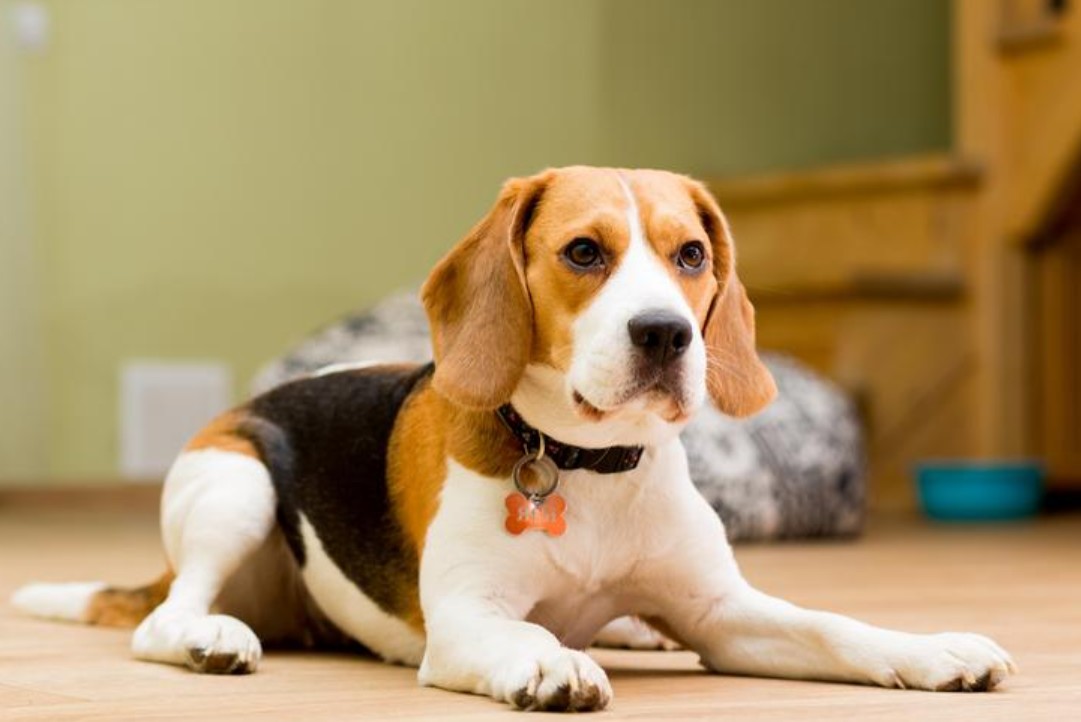
The word valplekar carries a surprising depth, uniting the playful innocence of early puppyhood with the cultural history of Indian families. In Sweden, valplekar refers to “puppy play,” the essential mix of social, physical, and cognitive activities that shape a young dog’s behavior and emotional health. At the same time, Valplekar is also a distinctive Indian surname rooted in the heritage of Maharashtra, Goa, and Karnataka. These two meanings may seem worlds apart, yet both reveal important truths about development, identity, connection, and the way living beings learn their place in the world. Whether you are raising a puppy or exploring cultural lineage, understanding valplekar offers guidance, insight, and a richer appreciation of growth in its many forms.
Valplekar as Puppy Play – Definition and Meaning
In Swedish, “valp” means puppy and “lekar” means games or play. Together, valplekar describes an essential developmental stage in a dog’s early life—a phase defined by exploration, curiosity, bonding, and learning. More than casual fun, valplekar represents structured and unstructured experiences that teach young dogs how to navigate daily life. Scandinavian trainers and canine behaviorists use the term to highlight intentional play designed to promote healthy socialization, motor skill development, emotional resilience, and communication abilities. During valplekar, a puppy learns how to interpret signals, manage impulses, interact with other animals, and trust the humans around them. In dog psychology, this period is considered just as important as nutrition or veterinary care.
Why Valplekar Is Essential in Puppy Development
Puppies play to survive and thrive. Their early weeks are filled with powerful brain development, and valplekar uses this window to build confidence, emotional stability, and behavioral consistency. From about three to sixteen weeks, a puppy is especially sensitive to new experiences. When valplekar is consistent and positive, puppies grow into dogs that adapt more easily, respond more predictably, and form healthy relationships with humans and other animals. Puppies deprived of meaningful play may develop fear, aggression, separation anxiety, and other behavioral issues. Through valplekar, puppies experience a world that is joyful, safe, engaging, and worth trusting. This early investment leads to lifelong benefits for both dogs and their owners.
Socialization and Communication
Play is the first language a puppy learns, and valplekar is the classroom in which communication skills take shape. Through interactions with littermates, other dogs, and humans, puppies begin to decode subtle signals—tail positions, facial expressions, posture, and tone of voice. They learn what a polite greeting looks like, when a growl is a warning, and how to express excitement without overwhelming others. Puppies also discover that certain actions, like biting too hard, lead to loss of playtime, which is a natural consequence that teaches boundary awareness. Good social play during valplekar prevents reactivity and fear-driven behavior later in life, helping puppies develop into calm, socially competent adults. This early communication training reduces misunderstandings between dogs and creates harmony within households and dog communities.
Mental Stimulation and Problem-Solving
Valplekar is more than physical activity; it is a workout for the mind. Cognitive play strengthens memory, decision-making, attention span, and problem-solving skills. Puzzle toys, scent-tracking activities, hide-and-seek games, and object recognition exercises encourage puppies to use their natural intelligence. These games teach cause and effect, build resilience, and keep puppies mentally engaged. Without mental challenges, puppies often turn to destructive behaviors as a way of releasing energy or curiosity. Valplekar introduces new sensations, textures, sounds, and environments, allowing puppies to build a mental map of the world. This mental enrichment supports long-term learning and adaptability, especially in breeds known for high intelligence or stamina.
Physical Health and Motor Skills
Healthy development depends on movement, and valplekar helps puppies build strong bones, joints, muscles, and coordination. Running, chasing, tumbling, climbing, and gentle wrestling all support motor skill development. Through play, puppies learn balance, speed control, and spatial awareness. Activities such as fetch boost agility and reflexes, while tug-based games strengthen jaws and limbs. Even simple play on uneven surfaces, soft grass, or shallow water challenges puppies to use different muscle groups. Puppies that engage in varied valplekar are less prone to obesity and orthopedic issues later in life. Early physical play builds a strong foundation for adulthood, preparing the dog for any lifestyle—from peaceful family life to active outdoor adventures.
Learning Boundaries and Self-Control
One of the greatest gifts of valplekar is teaching puppies how to regulate themselves. Through playful interactions, they naturally encounter situations that require patience, moderation, and restraint. For example, a puppy that gets too excited during play may be momentarily ignored by its playmate. This brief pause teaches the puppy to modulate its energy and understand consequences. Controlled games like calm fetch or turn-taking reinforce the importance of waiting, listening, and responding to cues. Valplekar helps puppies manage frustration and develop tolerance for minor challenges. These lessons form the backbone of future obedience training and help create adult dogs that are calmer, more reliable, and easier to guide.
Types of Valplekar – How Puppies Learn Through Play
Valplekar includes a balanced mix of structured play, free exploration, and human-puppy bonding activities. Each type contributes to different developmental benefits and keeps puppies engaged.
Structured Play
Structured valplekar involves intentional activities designed to teach skills. These can include obedience exercises framed as games, such as learning to sit before a toy is thrown or practicing recall during fetch. Structured play helps puppies associate commands with fun rather than pressure. It builds discipline, predictability, and responsiveness. Training disguised as play fosters fast learning because the puppy is engaged, relaxed, and motivated. For future working dogs—service animals, therapy dogs, or agility competitors—structured valplekar forms the foundation of their training journey.
Unstructured Free Play
Free play allows puppies to follow their instincts, explore at their own pace, and interact with their environment. This type of valplekar encourages independence, creativity, and emotional expression. Puppies might chase butterflies, sniff new plants, run in loops, or invent their own games. Unstructured play helps shy or anxious puppies gain confidence because it places them in charge of their own experience. It also allows owners to observe their dog’s natural personality traits. Free play serves as a natural decompression space, helping puppies release pent-up energy and learn more about their surroundings.
Also Read: Tamildhooms.com Stream & Download Latest Tamil Movies Online
Human-Puppy Interactive Games
Interactive valplekar deepens connection between owners and their dogs. Games like hide-and-seek, name recognition, gentle tug games, and teaching tricks help puppies build trust and emotional attachment. When humans participate in play, puppies see their owners as reliable partners, which strengthens future training and communication. This form of valplekar also teaches puppies how to navigate human boundaries—when to stop, how to respond to verbal cues, and how to interact safely with people of different ages. These early interactions influence how the dog will behave with family members, strangers, and other pets.
Beyond Play – Emotional and Behavioral Benefits of Valplekar
Valplekar lays the emotional groundwork for a puppy’s entire life. Puppies raised in environments where play is consistent, safe, and varied tend to develop stronger resilience and better coping mechanisms.
Emotional Resilience
Regular valplekar helps puppies become more adaptable to change. Dogs that experience diverse play environments are less likely to develop fears of noises, textures, or unfamiliar settings. They learn to trust their instincts and rely on their bond with their humans. Emotional resilience is especially important for breeds prone to anxiety or sensitivity. Through play, puppies discover that the world is not threatening, which lowers stress responses and supports stable behavior.
Better Long-Term Behavior
Valplekar functions as a natural training system. Puppies who learn through play understand boundaries, routines, and expectations without the need for harsh corrections. They are less likely to develop destructive habits because their energy is expressed constructively. Dogs raised with abundant play show fewer behavioral problems and become easier to train as adults. Valplekar encourages healthy discipline and reinforces positive habits, shaping a dog’s personality in ways that last a lifetime.
Deepening the Human-Animal Bond
Play creates affection, trust, and understanding. When puppies feel seen and engaged during valplekar, they develop deep emotional attachment to their human caregivers. This bond supports cooperative behavior and mutual respect. A puppy that trusts its owner is more confident, more willing to learn, and more relaxed. Over time, valplekar transforms the relationship into one of companionship, communication, and loyalty.
Tips for Practicing Valplekar at Home
To make the most of valplekar, set up a safe, enriching space where your puppy can explore freely. Use toys that encourage mental and physical engagement. Rotate these toys weekly to maintain novelty. Incorporate short play sessions throughout the day, mixing structured tasks with spontaneous exploration. Pay attention to your puppy’s body language and adapt the intensity of play based on their comfort. Always end on a positive note to keep the experience joyful. A consistent routine simplifies learning and strengthens emotional security.
Common Mistakes to Avoid During Valplekar
Avoid overwhelming your puppy with too much excitement or noise. Never allow play that becomes aggressive or frightening. Do not rely solely on physical games; mental engagement is crucial. Avoid isolating your puppy during the critical socialization window, and refrain from using punishment during play. Puppies learn best through encouragement, redirection, and patient repetition. Maintaining balance is key—too little play leads to anxiety, while overstimulation leads to stress.
Valplekar as a Surname – Cultural and Linguistic Roots
Beyond the world of puppies, Valplekar is an Indian surname with deep roots in the western coastal regions of Maharashtra, Goa, and Karnataka. In Marathi and Konkani—the dominant languages of these regions—the suffix “-kar” signifies belonging. It typically means “from a place,” making Valplekar a name linked to ancestry from a location called Valple or a similarly named village. Indian surnames often reflect geography, community, profession, or lineage, and Valplekar is no exception. It carries history, pride, and connection to a particular cultural identity. Families with this surname can often trace their roots to Konkani or Marathi-speaking communities, with traditions passed down through generations.
Etymology and Regional Identity
The construction of the surname reflects regional linguistic patterns. Similar surnames include Sawantkar, Pednekar, or Mumbaikar, each tying individuals to their ancestral land. In this tradition, the name Valplekar helps preserve memory of a specific origin point. Historically, such surnames helped identify community roles, professions, and responsibilities within the social fabric. Even today, the surname indicates strong ties to coastal culture, local dialects, and regional customs of Goa and Maharashtra.
Social and Cultural Significance of the Valplekar Name
In Indian communities, surnames are more than labels—they are markers of family history and social identity. The surname Valplekar may indicate ties to agricultural heritage, land management, craftsmanship, or localized governance in earlier generations. Cultural practices, festivals, language, and lineage are all carried through this name. As families migrate and settle in new regions, the name serves as a reminder of their origins and traditions. It preserves stories that might otherwise be forgotten.
The Role of Valplekar in Family and Heritage Today
Today, people with the surname Valplekar continue to take pride in their heritage, even as they move across cities and countries. The name connects modern families to ancestral rituals, community gatherings, and generational memories. Surnames remain a cultural anchor, reminding individuals of their place in a larger historical narrative. Whether used in official documents, academic settings, or social circles, the name Valplekar maintains its relevance as a symbol of identity and belonging.
Valplekar in the Global Diaspora
With Indian communities thriving worldwide, families carrying the name Valplekar can be found in the United States, Canada, the United Kingdom, the Gulf, and other regions. Although far from their original homeland, many maintain strong cultural ties through festivals, language, and traditional values. Modern digital tools allow diaspora families to trace family trees and reconnect with distant relatives. The surname becomes a bridge across continents, linking past generations to future ones.
Linguistic Significance of “Valplekar”
Linguistically, the name holds a musical rhythm typical of Marathi and Konkani surnames. The “-kar” ending signals place-based identity, grounding the individual culturally and historically. The word reflects the blend of phonetics, tradition, and geography, making it a uniquely memorable name. In professional or academic environments, such surnames stand out and carry a sense of authenticity and heritage.
Valplekar – Connecting the Two Meanings
At first glance, Swedish puppy play and an Indian surname appear unrelated, but both meanings of valplekar speak to identity, learning, and connection. For puppies, valplekar is where they discover their instincts, build bonds, and grow into confident companions. For families, the surname Valplekar preserves lineage, culture, and a sense of belonging. Both meanings highlight how early experiences—whether in a dog’s life or in family heritage—shape who we become. They remind us that identity is built through interaction, exploration, and the spaces we call home.
Also Read: Anonib The Ultimate Guide to Anonib Imageboards
Conclusion
Valplekar is a word rich with significance. As a Swedish term, it captures the essence of playful learning that helps puppies develop into emotionally stable, physically healthy, and well-behaved adult dogs. As an Indian surname, it carries heritage, geography, and cultural identity across generations. Both meanings celebrate the importance of early experiences and the lasting effects of connection. Understanding valplekar gives us deeper insight into how growth happens—through play, through lineage, and through the relationships we nurture over time.
FAQs About Valplekar
What does Valplekar mean?
Valplekar means “puppy play” in Swedish and is also an Indian surname referring to someone originating from a place called Valple or a similarly named village.
Why is Valplekar important for puppies?
Valplekar helps puppies build social skills, confidence, physical strength, problem-solving abilities, and emotional resilience.
What are the benefits of Valplekar in dog training?
It encourages impulse control, strengthens the human-dog bond, reduces future behavior problems, and improves obedience.
Where does the Valplekar surname come from?
The surname has roots in Maharashtra, Goa, and Karnataka, where the suffix “-kar” means “from a place.”
Is Valplekar used outside Sweden or India?
Yes, dog trainers worldwide use the Swedish meaning, while families with the surname Valplekar live across India and the global diaspora.
