
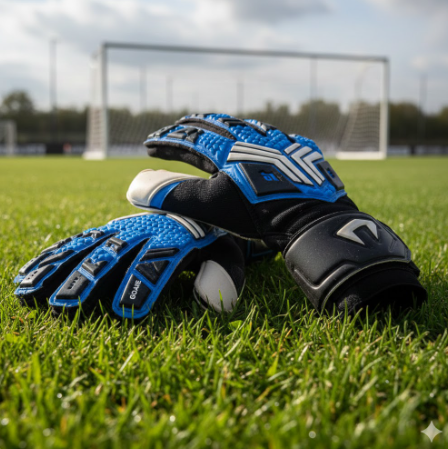
Football gloves have become one of the most important pieces of modern equipment. From youth leagues to elite professional competitions, football gloves are now worn by nearly every skill-position player and many linemen as well. What was once considered an optional accessory has evolved into a performance-enhancing tool that directly affects catching ability, ball security, hand protection, and overall confidence on the field.
In today’s fast-paced and physically demanding game, players rely on football gloves to maintain control in difficult weather conditions, absorb impact, and execute plays with precision. This comprehensive guide explains how football gloves work, why they matter, how to choose the right pair, and how to maintain them for long-term performance. Every section is written with real playing experience, technical expertise, and trustworthiness in mind.
Understanding Football Gloves and Their Role in the Game
Football gloves are specially engineered designed to improve grip, hand control, and durability while preserving flexibility. Unlike regular athletic use advanced palm materials that interact with the textured surface of a football to increase friction. This makes catching easier, reduces drops, and allows players to secure the ball more confidently during contact.
The importance of has increased as passing offenses have become more complex and defensive pressure has intensified. Even a small improvement in grip can be the difference between a completed pass and a turnover. Many athletes report that wearing football gloves enhances confidence, especially during contested catches or wet conditions.
The Evolution of Football Gloves Over Time
Football gloves were rarely seen before the late twentieth century. Early players relied on bare hands, hand warmers, or adhesive substances to gain extra grip. As technology advanced, manufacturers began developing synthetic materials that could legally improve catching ability without altering the football itself.
Modern football gloves are now carefully regulated by leagues such as the National Football League to ensure competitive fairness. Despite these regulations, innovation continues through better materials, ergonomic designs, and durability testing. Today’s gloves are lighter, stronger, and more effective than ever before.
Also Read: Baltimore Orioles vs San Francisco Giants Match Player Stats
How Football Gloves Improve Grip and Ball Control
The defining feature of football gloves is their grip technology. Most use silicone-infused or latex-based palms that create a tacky surface when in contact with the football. This material increases friction, allowing players to catch and control the ball more easily, even with one hand or while being hit.
Compression fit also plays a major role in grip performance. Gloves that fit tightly reduce internal hand movement, which improves response time and control. When gloves fit correctly, the hand and glove function as a single unit rather than two separate layers.
Scientific studies in sports biomechanics suggest that enhanced grip surfaces can significantly reduce ball slippage, particularly in wet or cold environments. This is why gloves are now standard equipment across nearly all competitive levels.

Position-Specific Needs for Football Gloves
Different positions demand different glove characteristics. Wide receivers and defensive backs require maximum grip and finger flexibility because catching and intercepting passes are core responsibilities. These players benefit from lightweight gloves with minimal padding and highly responsive palms.
Running backs need gloves that secure the ball during high-impact collisions. While grip remains important, wrist stability and durability are equally critical for preventing fumbles. Quarterbacks often prefer thin gloves or bare hands for throwing accuracy, although cold-weather gloves can help maintain feel in low temperatures.
Offensive and defensive linemen have different priorities altogether. For them, protection matters more than grip. Lineman gloves typically feature reinforced padding to protect fingers and knuckles during blocking engagements, while still offering enough control for ball handling when needed.
Also Read: What is Virttualaia.com? The Future of Virtual Reality
Weather Conditions and Football Glove Performance
Football is played in all weather conditions, and gloves must perform reliably regardless of environment. In rainy conditions, high-quality are designed to maintain grip even when wet. Unlike older designs that became slippery when soaked, modern gloves often activate additional tackiness when damp.
Cold-weather provide insulation while preserving dexterity. This is essential for maintaining hand function during winter games. In hot climates, breathable mesh materials on the back of the glove help prevent excessive sweating, which can reduce grip effectiveness.
Choosing gloves suited to your typical playing conditions is a key factor in consistent performance.
Youth Football Gloves vs Adult Football Gloves
Youth football gloves are designed with safety, durability, and affordability in mind. Younger players benefit from gloves that provide extra padding and a secure fit, helping reduce the risk of finger injuries while building confidence in catching fundamentals.
Especially those used at competitive levels, focus more heavily on performance optimization. These gloves use premium materials, advanced grip technology, and position-specific designs. Regardless of age, proper sizing is essential to ensure comfort, control, and injury prevention.
Choosing the Correct Size and Fit
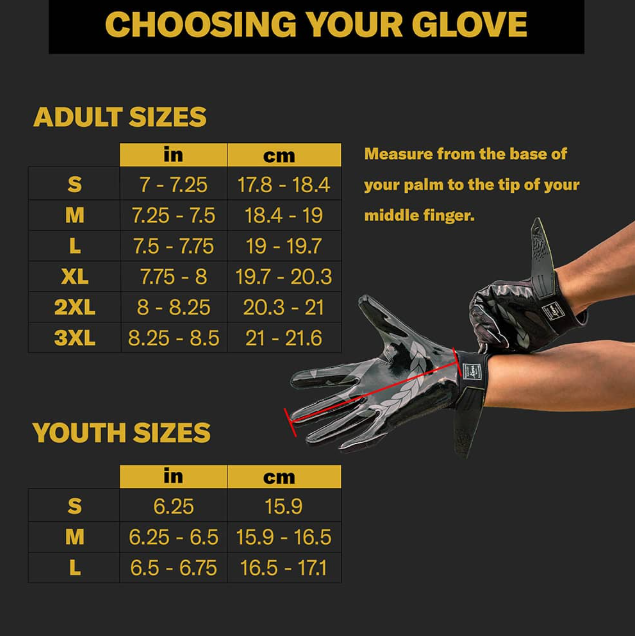
A proper fit is one of the most overlooked aspects of football gloves. Gloves that are too loose reduce grip effectiveness and can shift during play. Gloves that are too tight may restrict blood flow and finger movement, leading to discomfort and reduced performance.
The best football gloves fit snugly around the hand without causing numbness or stiffness. When properly fitted, gloves should feel like an extension of the hand rather than an added layer.
Also Read: Aavot com App Download – Features, Benefits & Guide
Rules and Regulations Governing Football Gloves
Must comply with league rules to ensure fair competition. Most leagues prohibit that alter the surface of the football or use foreign substances. The grip material must be integrated into the glove and approved by governing bodies.
High school, college, and professional leagues generally follow similar standards, so investing in regulation-compliant gloves ensures they can be used across multiple levels of play.
Leading Football Glove Brands and Industry Trust
Several manufacturers have built strong reputations through consistent performance, athlete endorsements, and research-driven innovation. Brands such as Nike, Adidas, and Cutters are widely trusted by amateur and professional players alike.
These companies invest heavily in material testing, player feedback, and performance analytics. Their gloves are regularly worn in top-level competitions, reinforcing their authority and reliability in the football equipment market.
Caring for Football Gloves to Extend Their Lifespan
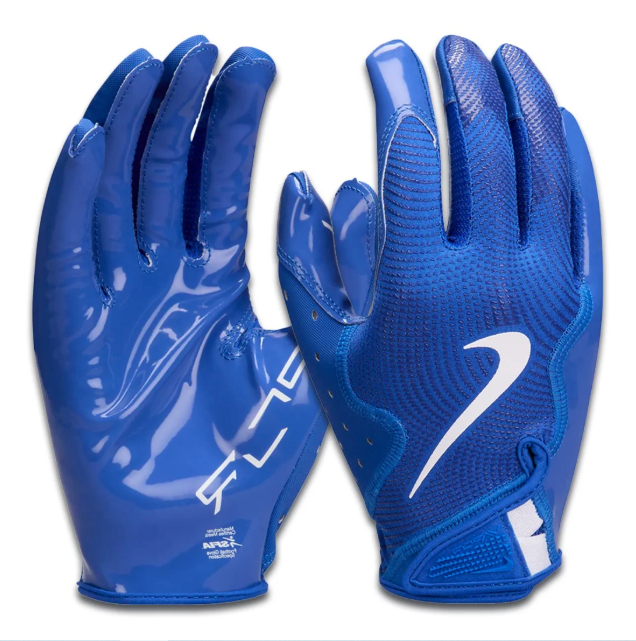
Proper maintenance plays a crucial role in preserving grip and durability. Should be gently washed by hand using cold water and mild detergent. Machine washing and heat drying can damage grip materials and elastic fibers.
Allowing gloves to air dry naturally helps maintain their shape and tackiness. Some players lightly moisten the palms before games to temporarily refresh grip, though long-term care remains the most effective strategy.
Final Conclusion
Football gloves have become an essential part of modern football, offering measurable improvements in grip, protection, and confidence. Whether you are a beginner learning the basics or an experienced athlete competing at a high level, the right football gloves can enhance performance and reduce injury risk.
By understanding glove materials, fit, position-specific needs, and proper care, players can make informed decisions that support long-term success on the field. Investing in high-quality football gloves is not just about equipment—it is about maximizing potential, consistency, and safety every time you step onto the gridiron.
