

Understanding how to prepare fufu is essential for anyone who wants to experience authentic West African cuisine in its most comforting form. Fufu is more than a starchy side dish; it is a cultural staple deeply rooted in daily meals, ceremonies, and family gatherings across countries such as Ghana and Nigeria. Traditionally made by pounding boiled cassava, yam, or plantain, fufu has evolved with modern kitchen tools, making it accessible to cooks worldwide.
This in-depth guide explains how to prepare fufu using both traditional and contemporary methods, including blender and food processor techniques. You will also learn how to prepare fufu flour, how to make fufu without pounding, and how to pair fufu with popular soups like palm nut soup, light soup, and groundnut soup. Every section is written to demonstrate real culinary experience, practical expertise, and cultural accuracy, ensuring the information is trustworthy and useful for home cooks.
What Is Fufu? Definition, History, and Cultural Importance
Fufu is a smooth, elastic starchy dough commonly served with richly flavored soups and stews. It is traditionally eaten by hand, rolled into small balls, and dipped into soup, making it both a food and an experience.
Fufu originated centuries ago as a way to transform root crops into a filling, digestible staple. Over time, different regions developed variations using cassava, yam, cocoyam, or plantain. Despite modern adaptations, the essence of fufu remains the same: comfort, nourishment, and communal eating.
From a nutritional standpoint, fufu provides energy through complex carbohydrates and becomes a balanced meal when paired with protein-rich soups. Understanding its roots helps explain why learning how to prepare fufu correctly is so important for preserving both taste and tradition.
How to Prepare Fufu Traditionally (Pounding Method)
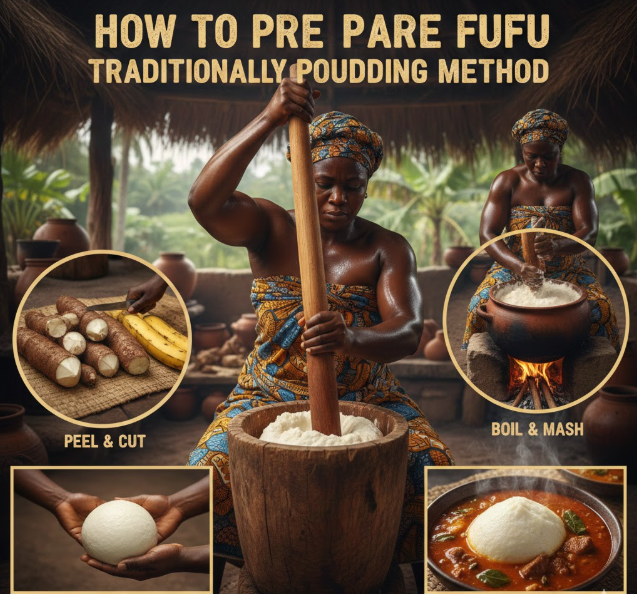
Traditional preparation is the foundation of understanding how to prepare fufu in its purest form. This method relies on boiling starchy ingredients and pounding them until smooth and stretchy.
. Selecting the right ingredients
Fresh cassava, yam, or plantain is essential for authentic texture and flavor. Using mature, firm tubers ensures the fufu becomes elastic instead of sticky. Ingredient quality directly affects the final consistency, which is why experienced cooks emphasize careful selection.
. Peeling and washing thoroughly
Peeling removes tough outer layers that can introduce bitterness. Washing eliminates dirt and excess starch, resulting in a cleaner taste. This step may seem basic, but skipping it often leads to gritty or uneven fufu.
. Boiling until tender
The tubers must be boiled until they are soft enough to break easily with a fork. Proper boiling allows the starch to gelatinize, which is crucial for smooth pounding. Undercooking leads to lumps, while overcooking can cause excess water absorption.
. Pounding with mortar and pestle
Pounding transforms boiled pieces into a cohesive dough. The rhythmic motion stretches starch molecules, creating the signature elasticity. This process requires strength and technique, traditionally done by two people working together.
. Turning and folding during pounding
Turning the dough ensures even texture and prevents lumps. Each fold redistributes moisture, improving smoothness. This step distinguishes expertly prepared fufu from rushed versions.
. Shaping and serving immediately
Fufu is best served hot, shaped into smooth balls. Immediate serving preserves elasticity and flavor, making the meal satisfying and authentic.
Also Read:-How Long Does It Take for a Tattoo to Heal?
How to Prepare Fufu With a Blender

Modern kitchens have made it easier to learn how to prepare fufu without heavy physical effort. The blender method is one of the most popular alternatives.
. Boiling the base ingredients first
Just like traditional fufu, cassava, yam, or plantain must be boiled until soft. Blenders cannot process raw tubers effectively, so proper boiling is essential for smooth blending.
. Blending in controlled portions
Small batches prevent the blender from overheating and ensure even texture. Adding minimal hot water helps blades move smoothly without making the mixture watery.
. Achieving a thick paste consistency
The blended mixture should resemble thick mashed potatoes. This consistency is important before cooking, as it determines how well the fufu will stretch later.
. Cooking the blended mixture on heat
Transfer the paste to a pot and cook over medium heat. Continuous stirring activates starch and thickens the mixture into proper fufu texture.
. Stirring with strength and patience
Vigorous stirring mimics traditional pounding. This step develops elasticity and removes raw starch taste, ensuring the fufu is smooth and stretchy.
. Shaping and keeping warm
Once thick and glossy, shape the fufu and keep it covered to retain heat. Proper covering prevents drying before serving.
Also Read:-IMPACT OF RESTAURANTS CHAIR ON CUSTOMER’S EXPERIENCE
How to Prepare Fufu With a Food Processor
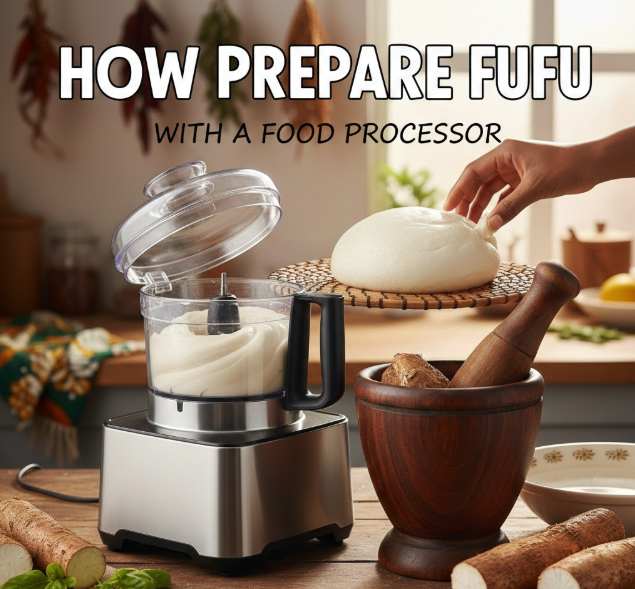
A food processor offers another convenient approach to how to prepare fufu, especially for larger quantities.
. Preparing uniformly cut ingredients
Cutting tubers into equal pieces ensures even processing. Uniform size reduces strain on the processor and improves final texture.
. Processing while still hot
Warm ingredients blend more smoothly. Heat helps starch molecules bind, resulting in better elasticity after cooking.
. Avoiding over-processing
Excessive processing introduces air and can make fufu gummy. Short pulses maintain structure while achieving smoothness.
. Transferring to a cooking pot
After processing, the mixture must still be cooked. Heat transforms the paste into authentic fufu texture.
. Continuous stirring for elasticity
Stirring aligns starch molecules, recreating the stretch traditionally achieved by pounding.
. Serving with appropriate soup
Food-processor fufu pairs best with thick soups that complement its smooth texture.
Also Read:-Dubai Chocolate Guide to Luxury Chocolate in Dubai
How to Prepare Fufu Flour

Fufu flour offers the fastest way to understand how to prepare fufu with minimal effort.
. Understanding fufu flour composition
Fufu flour is typically made from dried cassava or plantain. Knowing the base ingredient helps control flavor and texture.
. Measuring water accurately
Water-to-flour ratio determines consistency. Too much water leads to runny fufu, while too little causes lumps.
. Mixing flour into boiling water
Gradual addition prevents clumping. Stirring constantly ensures smooth incorporation.
. Cooking until thickened
Heat activates starch, transforming the mixture into dough. Proper cooking eliminates raw flour taste.
. Beating for smoothness
Beating develops elasticity and glossy appearance, essential for authentic feel.
. Resting briefly before serving
Short resting allows texture to stabilize, making shaping easier.
Also Read:-Valplekar Meaning Origins & Puppy Development Guide
How to Prepare Fufu Without Pounding
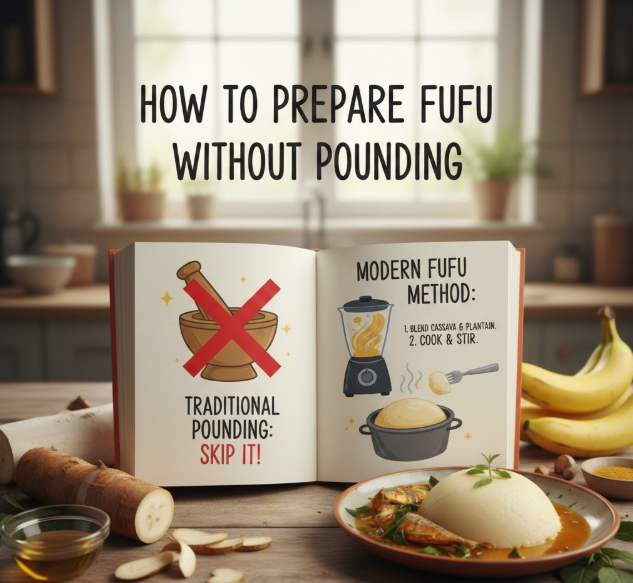
For many home cooks, learning how to prepare fufu without pounding is a game-changer.
. Using kitchen appliances effectively
Blenders and processors replace physical pounding. Proper use preserves authenticity while saving effort.
. Relying on heat for texture development
Cooking replaces pounding by activating starch. Heat and stirring work together to create elasticity.
. Stirring technique matters
Strong, consistent stirring is essential. Technique determines whether fufu becomes stretchy or sticky.
. Monitoring moisture levels
Controlling water prevents sogginess. Balanced moisture leads to perfect texture.
. Covering to retain heat
Heat retention keeps fufu pliable. Covered pots maintain serving quality.
. Serving immediately for best results
Freshly cooked fufu has the best texture and flavor.
Also Read:-Michael Jai White Martial Arts Mastery Explained
How to Prepare Fufu and Light Soup

Learning how to prepare fufu with light soup creates a balanced, comforting meal.
. Understanding light soup flavor profile
Light soup is spicy, aromatic, and tomato-based. Its thin consistency contrasts with dense fufu.
. Cooking soup alongside fufu
Timing ensures both are ready together. Fresh fufu complements freshly cooked soup.
. Balancing spice levels
Moderate heat enhances flavor without overpowering fufu’s mildness.
. Protein selection for soup
Fish, goat meat, or chicken add depth and nutrition.
. Serving technique
Fufu is placed in soup rather than beside it, enhancing flavor absorption.
. Cultural presentation
Traditional bowls and communal serving enhance authenticity.
Also Read:- 50 Cent Net Worth 2024: A Deep Look at Curtis Jackson’s Wealth, Career
How to Prepare Fufu With Palm Nut Soup
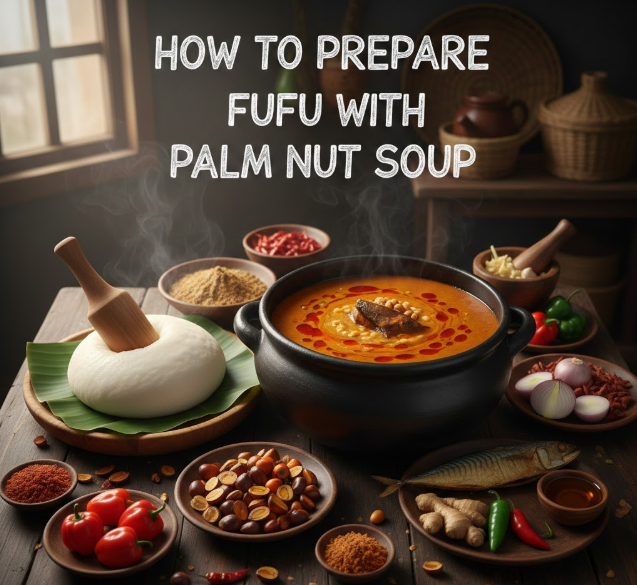
Palm nut soup is one of the richest pairings when learning how to prepare fufu.
. Extracting palm nut concentrate
Fresh palm nuts produce deeper flavor. Proper extraction ensures richness.
. Balancing oiliness
Palm nut soup should be rich, not greasy. Controlled oil content improves mouthfeel.
. Long simmering for depth
Extended cooking develops complex flavors that complement fufu.
. Protein layering
Multiple meats create hearty texture and taste.
. Serving hot with fresh fufu
Heat enhances aroma and elasticity.
. Cultural significance
This combination is often served at celebrations, symbolizing abundance.
How to Prepare Fufu and Groundnut Soup
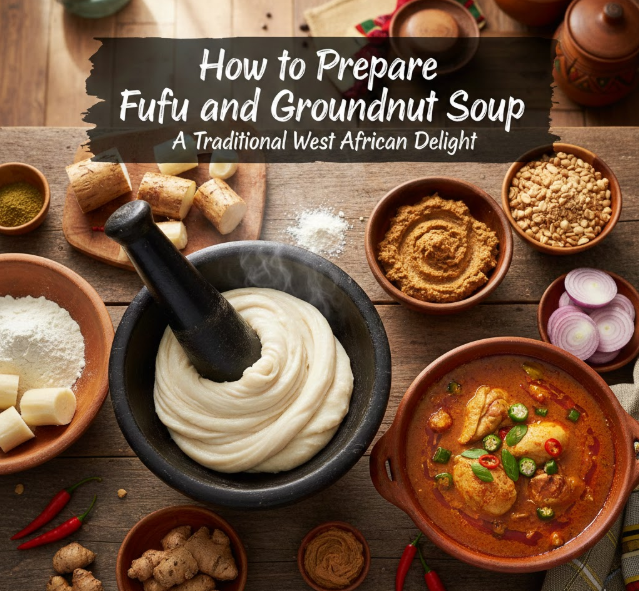
Groundnut soup offers a nutty, satisfying option for those mastering how to prepare fufu.
. Choosing quality groundnuts
Fresh peanuts prevent bitterness and improve aroma.
. Grinding into smooth paste
Smooth paste ensures even soup texture.
. Cooking slowly to avoid separation
Gentle heat prevents oil separation and maintains creaminess.
. Balancing thickness
Thick soup clings well to fufu, enhancing each bite.
. Protein integration
Meat and fish add umami and nutrition.
. Serving with hot fufu
Warm fufu complements the soup’s richness perfectly.
Also Read:-Kflyn23 OnlyFans Creator Profile Growth & TikTok Influence
Conclusion
Learning how to prepare fufu connects you to a centuries-old culinary tradition while offering flexibility through modern techniques. Whether you choose traditional pounding, blender methods, or quick fufu flour, the key lies in understanding texture, heat, and balance. Paired with light soup, palm nut soup, or groundnut soup, fufu becomes a complete, comforting meal that reflects culture, nourishment, and shared experience. Master these methods, and you can confidently bring authentic West African flavor to your table.
FAQs
Is fufu healthy?
Yes, when eaten in moderation and paired with protein-rich soups, fufu provides energy and satiety.
Can fufu be stored?
Fresh fufu is best, but it can be refrigerated briefly and reheated with steam.
Why is my fufu lumpy?
Lumps usually result from undercooking or insufficient stirring.
Can beginners prepare fufu easily?
Yes, modern methods like fufu flour or blender preparation make it beginner-friendly.
For More UpdateS Visit: News Brick
