
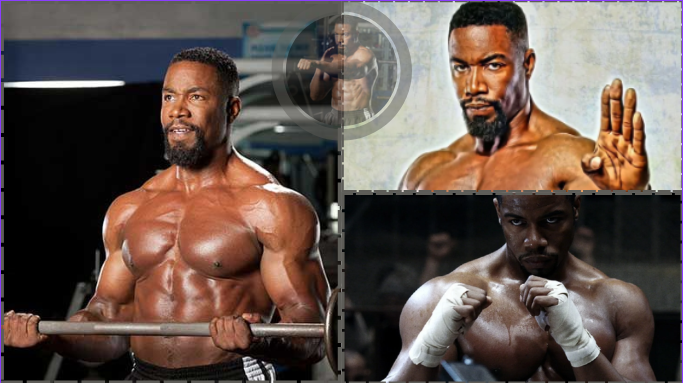
When people search for michael jai white martial arts, they are not simply interested in action movies or flashy fight scenes. They want to know whether his abilities are real, how deep his training goes, and why he is so widely respected by martial artists, not just movie fans. In an industry where many action stars rely heavily on choreography, camera tricks, and stunt doubles, Michael Jai White stands apart as someone whose martial arts credibility exists far beyond the screen.
Michael Jai White is often described as one of the most genuinely trained martial artists in Hollywood. His movement, timing, power, and composure reflect decades of disciplined practice rather than short-term preparation for film roles. This article takes a deep, experience-driven look at his martial arts background, the systems he has trained in, how his skills translate to real combat, and what his journey teaches about authentic martial arts mastery.
Who Michael Jai White Really Is Beyond Hollywood
Michael Jai White was born in Brooklyn, New York, and began training in martial arts as a child. Long before fame, film contracts, or leading roles, martial arts shaped his character, discipline, and worldview. Unlike actors who discover combat training later in life, White’s relationship with martial arts developed alongside his physical and mental growth.
Over time, he built a reputation not just as an actor who can fight, but as a martial artist who happens to act. This distinction matters greatly within combat sports and traditional martial arts communities, where credibility is earned through years of consistent training rather than screen presence.
The Foundation of Michael Jai White Martial Arts Training
The foundation of Michael Jai White martial arts lies in traditional systems that emphasize discipline, precision, and structure. One of the most influential styles in his development is Shotokan Karate. Shotokan is known for its strong stances, linear techniques, and explosive power. These elements are clearly visible in White’s posture and striking mechanics, both on and off screen.
His Shotokan background helped develop balance, timing, and body control, all of which serve as essential building blocks for advanced martial arts performance. Rather than focusing solely on speed or strength, this early training instilled a respect for fundamentals that continues to define his approach.
Taekwondo and the Development of Dynamic Movement
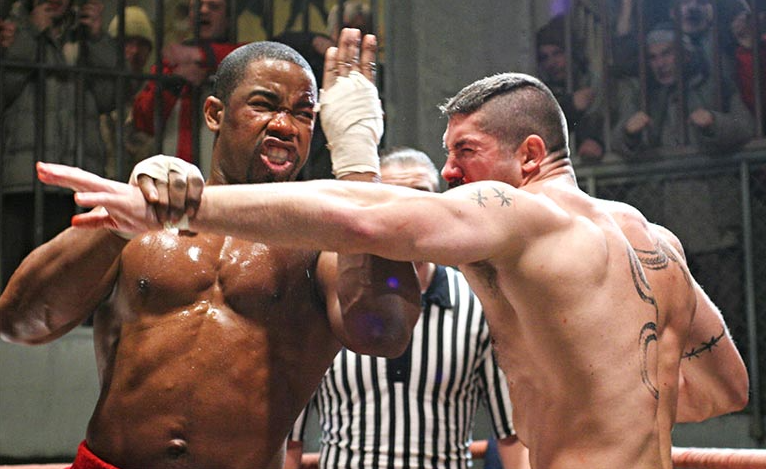
Another major influence in michael jai white martial arts is Taekwondo. This Korean martial art emphasizes high-level kicking techniques, flexibility, and explosive movement. White’s ability to deliver fast, controlled kicks with precision reflects long-term Taekwondo practice rather than superficial exposure.
Taekwondo contributed to his athletic fluidity and ability to transition seamlessly between offense and defense. In action cinema, these skills create visually impressive sequences, but in real combat training, they also improve range control and mobility.
Boxing and Practical Striking Ability
Michael Jai White’s striking ability is heavily influenced by boxing, which plays a critical role in his realism as a fighter. Boxing sharpens hand speed, defensive awareness, and distance management, all of which are essential in real-world combat scenarios.
His punches show proper mechanics, weight transfer, and timing, elements that are often missing in purely choreographed performances. Boxing training also reinforces endurance and composure under pressure, traits that separate trained fighters from performers.
Also Read: Kate Mestitz Life Career & Relationship with Guy Pearce
Also Read: Mike Kussman Nicolet Husband Career Biography & Net Worth
Brazilian Jiu-Jitsu and the Reality of Ground Fighting
One of the most important aspects of modern michael jai white martial arts training is Brazilian Jiu-Jitsu. BJJ focuses on grappling, submissions, and positional control, acknowledging that many real fights end up on the ground.
Michael Jai White has openly spoken about the necessity of grappling knowledge for any well-rounded martial artist. His understanding of leverage, balance, and body mechanics demonstrates respect for the evolution of martial arts beyond striking-only systems.
Muay Thai and Close-Range Combat
Muay Thai adds another layer to Michael Jai White’s combat skillset. Known as the art of eight limbs, Muay Thai emphasizes elbows, knees, clinch work, and devastating close-range strikes. White integrates these principles naturally, especially in fight scenes that prioritize realism over spectacle.
Muay Thai training enhances durability, pain tolerance, and efficiency in confined spaces, making it one of the most practical systems for real-world self-defense.
How Many Black Belts Does Michael Jai White Have?
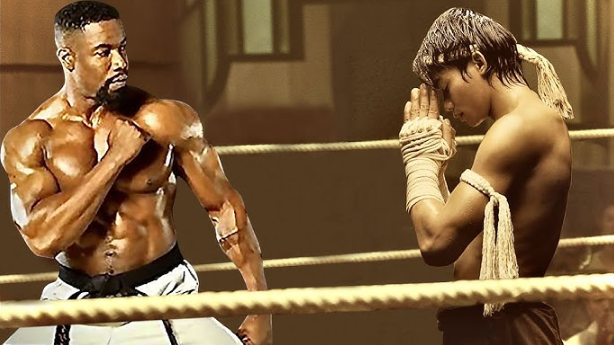
The question of how many black belts Michael Jai White holds often circulates online. While different sources offer varying numbers, what is consistently agreed upon is that he holds multiple black belts and advanced rankings across several disciplines.
In traditional martial arts culture, rank matters, but functionality matters more. White’s ability to demonstrate technique, control, and adaptability under pressure carries far greater weight than titles alone.
Michael Jai White Compared to Other Martial Arts Actors
Michael Jai White is frequently compared to iconic martial arts figures such as Bruce Lee, Jet Li, and Jean-Claude Van Damme. While each of these figures has left a lasting mark on martial arts cinema, White’s uniqueness lies in his blend of traditional martial arts, combat sports, and modern self-defense principles.
His physical size, combined with technical proficiency and athletic control, allows him to portray realistic combat scenarios that resonate with trained fighters rather than just casual viewers.
Realism in Michael Jai White Fight Scenes
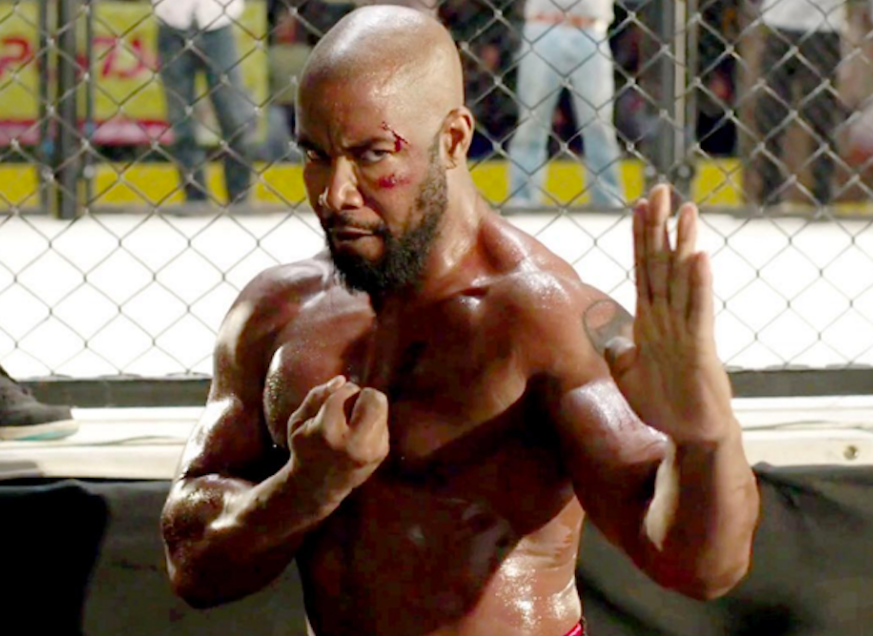
One of the defining traits of michael jai white martial arts is realism. His fight scenes often avoid exaggerated movements and unnecessary theatrics. Instead, they focus on efficient techniques, controlled aggression, and believable reactions.
White frequently performs his own stunts, which allows directors to use longer takes and fewer cuts. This not only improves visual clarity but also reinforces authenticity, as viewers can clearly see technique execution rather than edited illusions.
Martial Arts as a Way of Life
Michael Jai White consistently emphasizes that martial arts are not about intimidation or dominance. His philosophy centers on self-discipline, mental clarity, and lifelong improvement. He often speaks against ego-driven training and warns about the dangers of overconfidence.
This mindset aligns with traditional martial arts values, where mastery is measured by control rather than aggression.
Also Read: Troy Dendekker Life Legacy & Story of Bradley Nowell’s Wife
Strength Training and Physical Conditioning
Beyond technical training, Michael Jai White maintains elite physical conditioning. His strength training supports explosive power, injury resistance, and stamina. Unlike bodybuilding-focused routines, his conditioning is functional, designed to support martial movement rather than restrict it.
This balanced approach allows him to maintain athletic performance well into later adulthood, proving that smart training outlasts brute force.
Final Thoughts on Michael Jai White Martial Arts
The enduring interest in michael jai white martial arts exists because authenticity is rare. Michael Jai White represents a level of credibility that transcends cinema. His skill is not manufactured for the camera but forged through years of disciplined training, respect for tradition, and openness to evolution.
For martial artists, he is proof that real skill still matters. For audiences, he is a reminder that genuine movement carries a power no special effect can replace.
