
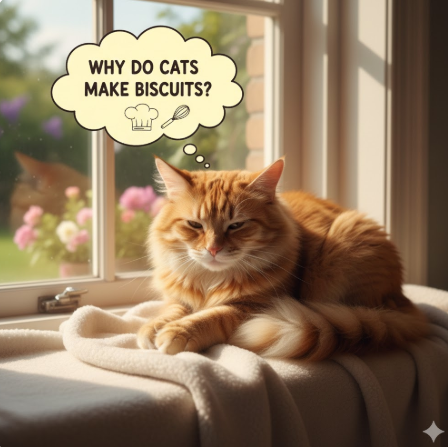
If you live with a cat, chances are you have experienced the oddly comforting sensation of tiny paws rhythmically pressing into a blanket, pillow, or even your lap. This behavior, often called “making biscuits,” is one of the most recognizable and endearing habits in domestic cats. Yet for many owners, it raises a natural question: why do cats make biscuits, and what does it actually mean?
At first glance, kneading may look like a simple, cute quirk. In reality, it is a deeply rooted behavior shaped by instinct, early development, emotional bonding, and even feline biology. Understanding why cats knead offers valuable insight into how cats express comfort, affection, and security—and why this behavior often appears at moments when your cat feels safest.
This article explores the science, psychology, and emotional meaning behind cat kneading, drawing on veterinary research and feline behavior expertise to provide a complete and trustworthy explanation.
What Does “Making Biscuits” Mean in Cats?
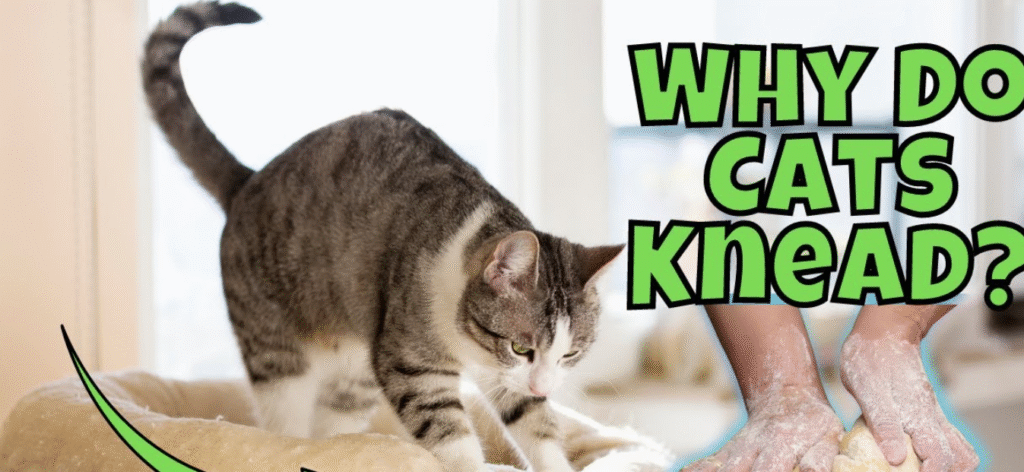
The phrase “making biscuits” is a playful human term used to describe a cat’s kneading motion. When cats knead, they alternately press their front paws against a soft surface in a slow, rhythmic pattern. Some cats extend their claws slightly during this motion, while others keep them retracted. Many cats purr, drool, or close their eyes while kneading, which further signals a relaxed emotional state.
In feline behavior terminology, kneading is considered an instinctive motor pattern that originates in kittenhood. Although it appears harmless and affectionate, it serves multiple purposes that extend far beyond simple comfort.
Also Read: Dubai Chocolate Guide to Luxury Chocolate in Dubai
Why Do Cats Make Biscuits as Kittens?
To understand why adult cats knead, it is essential to look at kitten development. Newborn kittens knead their mother’s belly while nursing. This motion stimulates milk flow from the mammary glands, helping kittens feed more effectively during a critical stage of survival.
This early kneading behavior is reinforced by warmth, nourishment, and physical closeness to the mother cat. As a result, kneading becomes neurologically associated with safety, comfort, and emotional well-being. Even after cats are weaned, this instinct remains deeply embedded in their behavior.
Veterinary behaviorists widely agree that adult cats knead because the action triggers positive emotional memories formed during infancy. In essence, kneading is a comforting reflex that cats carry with them for life.
Why Do Cats Make Biscuits on Blankets, Beds, and Soft Objects?
Cats are selective about where they knead. Soft, pliable surfaces such as blankets, bedding, sweaters, and pillows are particularly appealing. These materials closely resemble the warmth and texture of a mother cat’s belly, which helps activate the emotional memory tied to kneading.
When a cat kneads a blanket or bed, it is often signaling that the space feels safe, familiar, and secure. This is why kneading frequently occurs just before a cat lies down to rest or sleep. The act helps cats self-soothe and settle into a relaxed state.
In multi-pet households or busy environments, kneading can also function as a coping mechanism. It allows cats to calm themselves during moments of mild stress or overstimulation.
Also Read: Pop-Tarts Bowl 2024: Game Info, Tickets & Experience
Why Do Cats Make Biscuits on People?
One of the most meaningful variations of kneading occurs when cats make biscuits directly on their owners. While this can be painful if claws are involved, the emotional significance is powerful.
When a cat kneads a person, it is demonstrating a high level of trust and attachment. Cats typically reserve this behavior for individuals they consider part of their safe inner circle. The warmth, scent, and familiarity of a human companion replicate the comforting conditions that trigger kneading.
From a behavioral standpoint, kneading on people suggests that the cat feels emotionally bonded, relaxed, and secure. It is often accompanied by purring, slow blinking, or head-butting, all of which are recognized signs of feline affection.
Is Kneading a Sign of Happiness or Love?
In most cases, yes. Kneading is strongly associated with positive emotional states in cats. It commonly occurs when cats are content, comfortable, and emotionally fulfilled.
However, kneading is not exactly the same as human expressions of love. Cats do not knead to show affection in a conscious or symbolic way. Instead, the behavior reflects emotional regulation and comfort-seeking. That said, when a cat chooses to knead near or on a person, it indicates that the individual plays an important role in the cat’s sense of safety.
Many feline experts consider kneading one of the clearest signs that a cat feels “at home.”
Also Read: Koriandri Uses Health Benefits & Koriandri Seemned Guide
Why Do Cats Make Biscuits Before Sleeping?
Kneading before sleep has evolutionary roots that extend beyond kittenhood. In the wild, ancestral cats kneaded grass, leaves, and soft earth to create a comfortable resting spot. This action helped flatten vegetation and remove debris before settling down.
Modern domestic cats retain this instinct, even though they no longer need to prepare sleeping areas for survival. Kneading before sleep helps cats relax their muscles and transition into rest, much like stretching or pacing behaviors seen in other animals.
This explains why kneading is often followed by curling up, purring, or entering a deep sleep.
The Role of Scent Glands in Cat Kneading
Another important factor in understanding why cats make biscuits involves scent marking. Cats have scent glands located in their paw pads. When they knead, these glands release pheromones onto the surface beneath them.
These pheromones are undetectable to humans but highly meaningful to cats. By kneading, cats mark their territory and reinforce familiarity. This is why cats often knead favorite blankets, sleeping areas, or people they feel close to.
Rather than claiming ownership in an aggressive sense, this scent-marking behavior helps cats create an environment that feels emotionally secure.
Why Do Some Cats Drool While Making Biscuits?
Drooling during kneading may seem unusual, but it is not uncommon. This behavior often occurs when cats enter a deeply relaxed state reminiscent of kittenhood. The combination of kneading, purring, and drooling suggests intense comfort and emotional satisfaction.
Veterinarians generally consider occasional drooling during kneading to be normal, as long as it is not accompanied by signs of illness such as lethargy, appetite loss, or oral discomfort.
Also Read: Picada: A Latin Flavor Feast to Share
Why Do Some Cats Knead With Claws Out?
Cats may extend their claws during kneading because the behavior engages the same muscle memory used in early development. While uncomfortable for humans, this is not intentional aggression.
Claw extension can also be linked to stretching. Kneading helps cats flex and extend muscles in their paws, shoulders, and legs, which contributes to overall physical well-being.
If kneading becomes painful, placing a thick blanket between the cat and your skin can protect against scratches without discouraging the behavior.
Why Do Cats Make Biscuits More Than Other Cats?
Not all cats knead with the same frequency or intensity. Differences in kneading behavior may be influenced by early weaning, temperament, and environment.
Cats that were separated from their mother too early sometimes knead more often as adults. This may reflect a stronger emotional association with the comfort-seeking aspect of the behavior. Personality also plays a role, as more affectionate or sensitive cats tend to knead more frequently.
Environmental stability matters as well. Cats in calm, predictable homes often knead more openly because they feel safe expressing vulnerability.

Can Kneading Ever Be a Sign of Stress?
While kneading is usually positive, it can occasionally appear during moments of emotional conflict. Some cats knead as a self-soothing response when they feel mildly anxious or overstimulated.
In these cases, kneading may be accompanied by tail flicking, ears rotating backward, or sudden disengagement. If kneading seems compulsive or paired with other stress-related behaviors, it may be worth consulting a veterinarian or feline behaviorist.
Also Read: What Is Epicurebiteed.com? A Detailed Investigation
Should You Stop a Cat From Making Biscuits?
In most situations, kneading should not be discouraged. It is a natural, healthy behavior that supports emotional regulation and comfort.
If kneading causes discomfort, gentle redirection is the best approach. Providing designated soft blankets or cushions can give cats appropriate surfaces for kneading while preserving positive emotional associations.
Punishment or scolding is not recommended, as it can damage trust and increase stress-related behaviors.
Conclusion: Why Do Cats Make Biscuits?
So, why do cats make biscuits? The answer lies in a blend of instinct, memory, comfort, and emotional security. Kneading begins as a survival behavior in kittenhood and evolves into a lifelong self-soothing ritual that signals relaxation, trust, and contentment.
When your cat kneads a blanket, a bed, or your lap, it is expressing a deep sense of safety and familiarity. Far from being a meaningless habit, kneading is one of the clearest windows into how cats experience comfort and connection.
Understanding this behavior allows cat owners to respond with empathy, patience, and appreciation—strengthening the bond between human and feline.
