
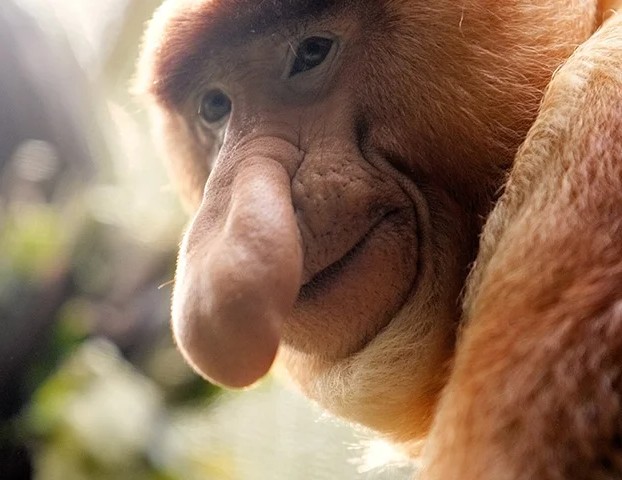
When people search for ugly animals, they’re often looking for shock value, laughs, or bizarre images. From droopy faces to bulging eyes and misshapen bodies, ugly animals pictures frequently circulate online as entertainment. But beneath those unusual appearances lies a deeper story—one rooted in evolution, survival, and ecological importance.
In nature, beauty is not a requirement for success. Many of the ugly animals in the world thrive precisely because of the traits humans find unattractive. Wrinkles, asymmetry, excess fat, or odd proportions often serve crucial biological purposes. This article explores why exist, what makes them look the way they do, and why labeling them as “ugly” says more about human perception than about nature itself.
By the end, you’ll understand that funny ugly animals and even fat ugly animals are not mistakes of evolution—but masterpieces of adaptation.
What Do We Really Mean by “Ugly Animals”?
The term is entirely human-made. In biological science, animals are not categorized by beauty or appearance. What we call ugly is simply anything that doesn’t align with human aesthetic preferences—symmetry, smooth skin, expressive eyes, or familiar proportions.
Psychologists explain that humans are wired to prefer neotenous features, such as large eyes and round faces, because they resemble infants. Animals that lack these features are often labeled unattractive. This explains why mammals like pandas receive widespread admiration, while creatures such as the naked mole-rat are often mocked despite their extraordinary biology.
Challenge our biases by reminding us that evolution optimizes for survival, not visual appeal.
Evolutionary Reasons Behind Unusual Appearances
Every strange feature found in has a function. Evolution selects traits that increase an organism’s chances of survival and reproduction, even if those traits appear grotesque to humans.
Wrinkled skin can aid in temperature regulation, bulbous noses may enhance mating success, and sagging bodies often indicate energy storage. Deep-sea creatures frequently look distorted because they evolved under extreme pressure and darkness. Their forms make sense in their environments—even if they look shocking on land.
A perfect example is the blobfish. Often crowned the “world’s ugliest animal,” it appears gelatinous and melted only when brought to the surface. In its natural deep-sea habitat, its body structure is perfectly suited to low-pressure conditions.
Ugly Animals in the World That Fascinate Scientists
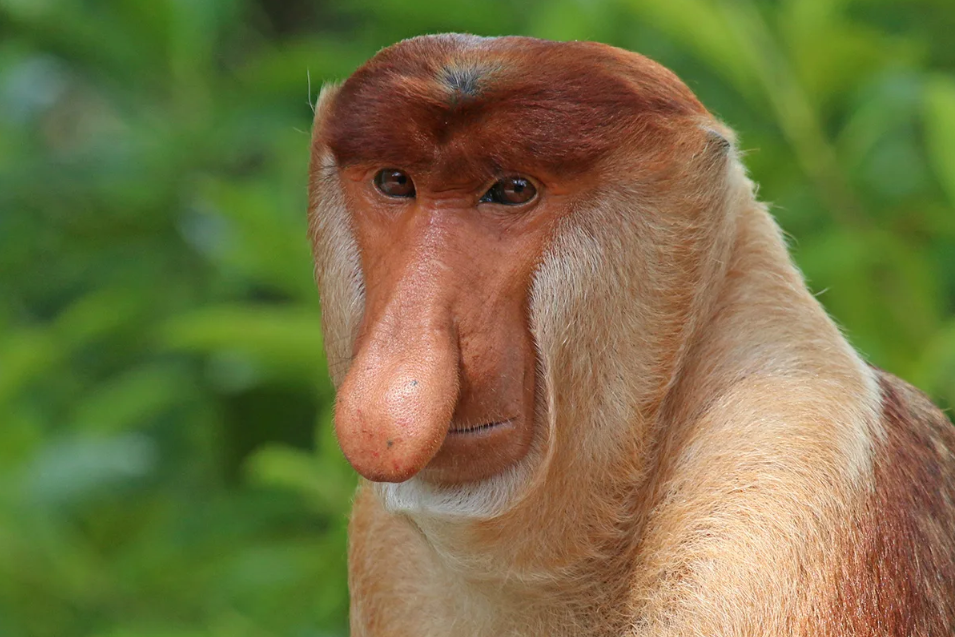
Across continents and ecosystems, ugly animals in the world have captured scientific interest because of their extreme adaptations.
The aye-aye, native to Madagascar, has oversized ears and a skeletal middle finger used to extract insects from trees. While its appearance unsettles many people, its foraging technique is one of the most specialized among primates.
Similarly, the proboscis monkey possesses an exaggerated nose that looks comical to humans. Research shows the nose amplifies mating calls and signals genetic fitness, making it highly attractive within its species.
These animals may appear strange, but they are evolutionary success stories.
Also Read:- Deep Sea Fish: A Complete Guide to Species, Names, and the Mysteries of the Abyss
Funny Ugly Animals and Why We Love to Laugh at Them
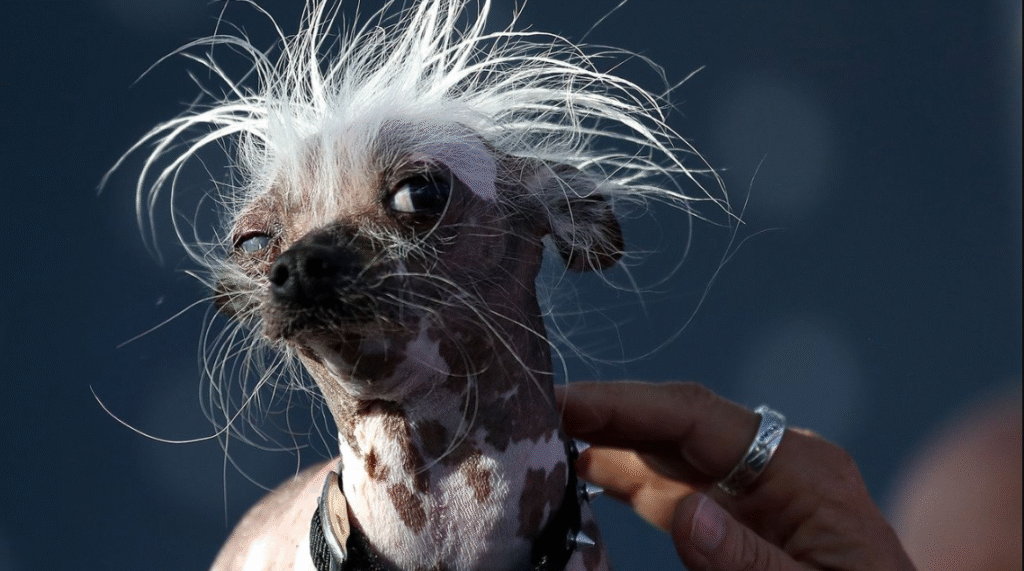
Funny ugly animals dominate social media, memes, and viral videos. Their awkward movements, unexpected expressions, or exaggerated features trigger humor because they defy expectations.
Animals like the pug dog (though domesticated) or wild creatures such as the shoebill stork often look perpetually confused or grumpy. Humans anthropomorphize these expressions, projecting emotions that don’t actually exist.
Laughter, however, doesn’t always translate into care. While pictures can increase visibility, they sometimes reduce complex creatures to punchlines. Conservationists stress that humor should be paired with education to foster genuine respect.
Also Read:- How Long Does It Take for a Tattoo to Heal?
Fat Ugly Animals and the Science of Body Size
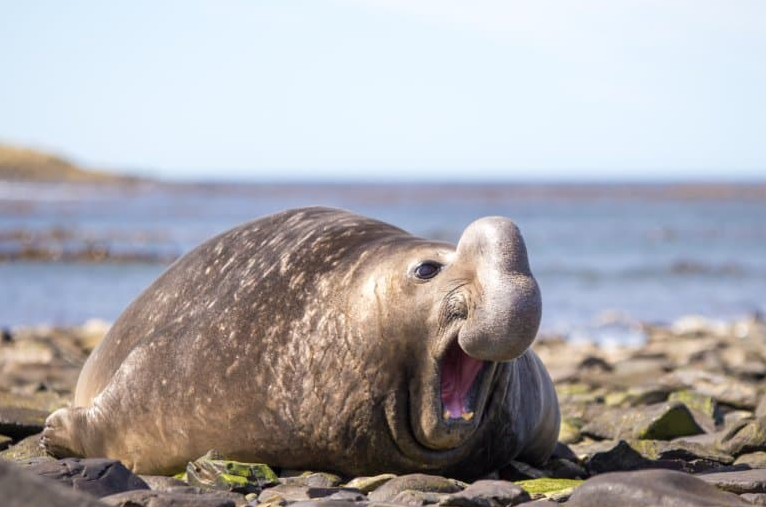
The phrase “fat ugly animals” is commonly used online, but in nature, fat is rarely a flaw. It is a survival mechanism.
Marine mammals like the elephant seal carry massive fat reserves that provide insulation and energy during long fasting periods. Their bulky, wrinkled bodies may look unattractive to humans, but they are essential for surviving cold ocean waters and intense breeding competitions.
In desert environments, animals with thick bodies retain water and energy, allowing them to endure harsh conditions. Fat, sagging, or lumpy appearances often signal efficiency rather than excess.
Also Read:- Valplekar Meaning Origins & Puppy Development Guide
Ugly Animals Pictures vs. Reality
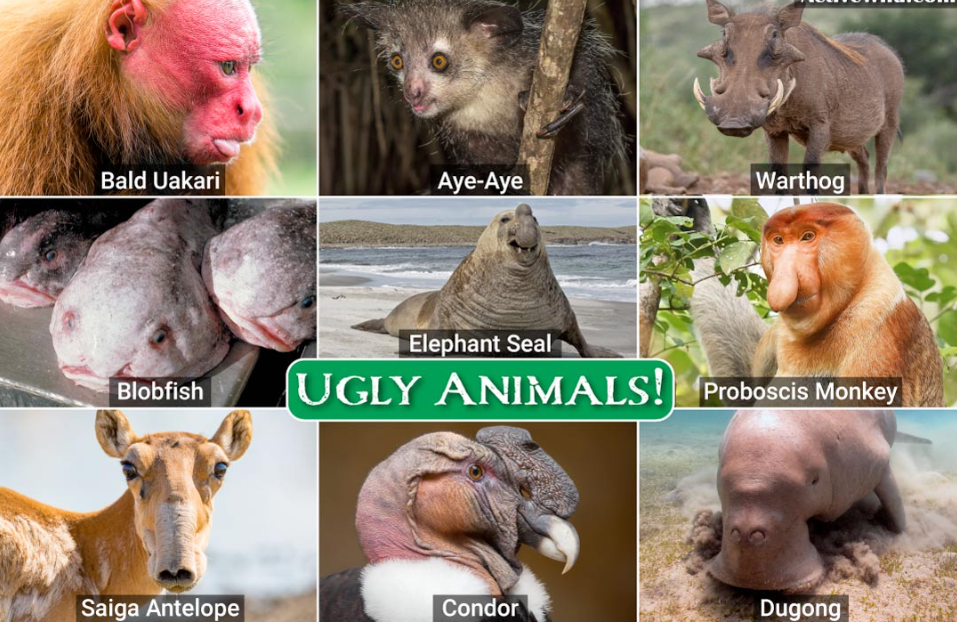
One reason appear so extreme online is photography. Many pictures are taken at unflattering angles, under artificial lighting, or outside the animal’s natural habitat.
Deep-sea creatures are especially misrepresented. When pulled to the surface, pressure changes distort their bodies, creating the grotesque shapes seen in viral images. In reality, these animals look entirely normal in their native environments.
This distortion contributes to misunderstanding and reinforces the false idea that ugly animals are abnormal or inferior.
Also Read:- 7 Unique Tree Species That Can Transform Your Garden
Cultural Perspectives on Animal Ugliness
What one culture finds ugly, another may find sacred or symbolic. In parts of Asia, animals with unusual features are considered lucky or powerful. In African folklore, strange-looking animals often play important spiritual roles.
Western media, however, tends to frame as villains or comic relief. This portrayal influences public opinion and even conservation funding. Studies show that animals perceived as unattractive receive significantly less conservation support than visually appealing species.
Organizations like the Ugly Animal Preservation Society were founded to challenge this bias and promote the protection of overlooked species.
Why Ugly Animals Are Ecologically Essential
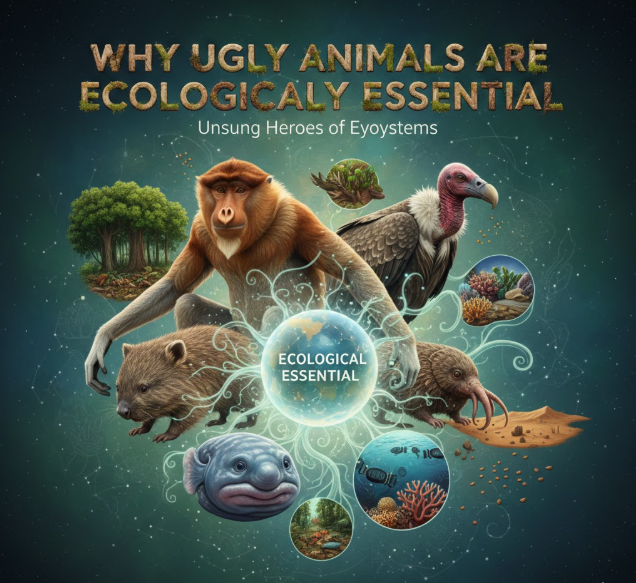
Ugly animals play critical roles in ecosystems. Many are keystone species, meaning their presence directly affects biodiversity and environmental stability.
Scavengers with bald heads prevent disease spread by consuming carrion. Burrowing animals aerate soil and improve plant growth. Deep-sea species regulate oceanic food chains.
Removing these animals due to human prejudice would cause ecological collapse in many habitats. Nature does not have room for aesthetic preferences—it only values balance.
Also Read:- Study Island: A Complete, In-Depth Guide to Smarter Student Learning
Human Responsibility Toward Ugly Animals
As humans expand into natural habitats, ugly animals are increasingly threatened by pollution, climate change, and habitat destruction. Because they lack popular appeal, they are often ignored in conservation campaigns.
Ethical wildlife protection requires moving beyond appearance. Every species, regardless of looks, contributes to the planet’s health. Protecting ugly animals means protecting ecosystems as a whole.
Supporting conservation organizations, sharing educational content instead of mockery, and challenging harmful stereotypes are practical ways individuals can help.
FAQs About Ugly Animals
Why do ugly animals exist?
They exist because their traits help them survive and reproduce in specific environments.
What is the ugliest animal in the world?
There is no scientific answer. The title often goes to the blobfish, but this is based on human perception, not biology.
Are ugly animals endangered?
Many are, especially because they receive less conservation attention than visually appealing species.
Do ugly animals feel pain or emotions?
Yes. Physical appearance has no connection to an animal’s capacity to feel pain or stress.
Conclusion: Ugly Animals Are Perfectly Designed
Ugly animals are not evolutionary accidents. They are the result of millions of years of adaptation, resilience, and survival. What humans label as ugly often represents efficiency, strength, and specialization.
By changing how we view ugly animals, we expand our understanding of nature itself. These creatures remind us that life is not meant to be decorative—it is meant to endure.
Respecting ugly animals is not about changing their appearance. It’s about changing our perspective.
For More UpdateS Visit: News Brick
