
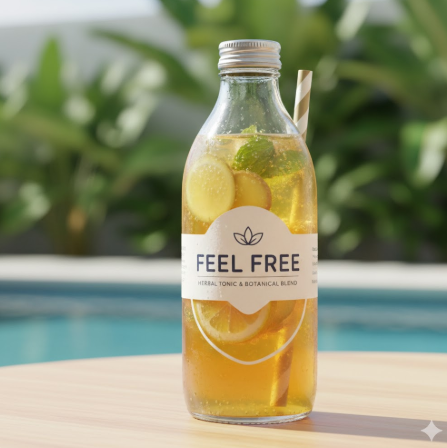
The question what is Feel Free drink has become increasingly common as this small blue bottle continues to gain attention across social media, wellness communities, and alcohol-alternative spaces. Marketed as a natural tonic designed to promote relaxation, sociability, and emotional balance, Feel Free drink sits at the intersection of herbal tradition and modern functional beverages. Its popularity has grown rapidly, but so has curiosity, confusion, and controversy.
This article offers a comprehensive, research-backed explanation of what Feel Free drink actually is, how it works, why people use it, and what you should know before trying it. The goal is not promotion or fear-mongering, but clarity, accuracy, and informed decision-making.
What Is Feel Free Drink?
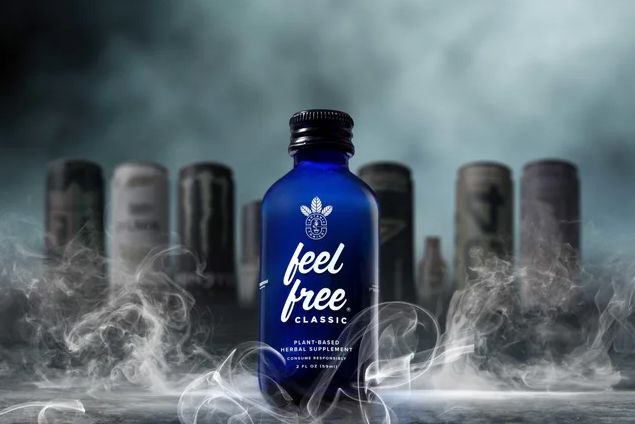
Feel Free drink is a plant-based wellness tonic made primarily from kava root and kratom leaf, blended with natural flavors and juices. It is sold in small bottles and positioned as a mood-enhancing beverage that supports relaxation and social ease without alcohol. The product is produced by Botanic Tonics, a company that focuses on botanical alternatives to traditional recreational drinks.
Unlike energy drinks that rely on caffeine or sugar, Feel Free drink works through herbal compounds that interact with the nervous system. It is often described as an alcohol alternative, though its effects and risks are distinct and should not be equated directly with alcohol.
The Concept Behind Feel Free Drink
To understand what Feel Free drink represents, it helps to look at the broader cultural shift driving its success. In recent years, many people have begun reducing or eliminating alcohol due to health concerns, mental clarity, productivity, or personal values. This has created demand for beverages that still offer relaxation or social comfort without intoxication.
Feel Free drink was created to fill that gap. Its branding emphasizes connection, presence, and calm confidence rather than escape or excess. By drawing from traditional plant use and modern wellness trends, it appeals to consumers seeking something stronger than herbal tea but gentler than alcohol.
Also Read: Kisspeptin 10 5mg: Essential Buying Tips for Research Applications
The Core Ingredients That Define Feel Free Drink
The defining characteristic of Feel Free drink lies in its two primary botanical ingredients. These plants are not new discoveries but have long histories of use in specific cultural contexts.
Kava Root and Its Role
Kava comes from the root of a plant native to the South Pacific. For centuries, it has been used ceremonially and socially in places such as Fiji, Vanuatu, and Tonga. The active compounds in kava, known as kavalactones, influence the brain’s GABA receptors, which are associated with relaxation and stress regulation.
In modern research, kava has been studied for its potential to reduce mild anxiety and promote calm without heavy sedation. When used responsibly, it is often described as producing a relaxed yet mentally clear state.
Kratom Leaf and Its Effects
Kratom is derived from a tropical tree native to Southeast Asia. Traditionally, kratom leaves were chewed or brewed into tea by laborers to combat fatigue and improve endurance. The plant contains alkaloids that interact with opioid receptors, though kratom is not an opioid itself.
At lower doses, kratom is often associated with increased alertness, improved mood, and mild stimulation. At higher doses, it can produce calming and analgesic effects. This dual nature is one reason kratom is both widely used and widely debated.
Supporting Ingredients
Beyond kava and kratom, Feel Free drink includes natural fruit juices, flavor extracts, and preservatives derived from plants. These ingredients primarily improve taste and shelf life rather than contributing significantly to psychoactive effects.
How Feel Free Drink Works in the Body
The experience of Feel Free drink comes from the interaction between kava’s calming properties and kratom’s mood-modulating effects. After consumption, users often report feeling effects within fifteen to thirty minutes, depending on metabolism and whether the drink is taken on an empty stomach.
Kava’s influence on GABA pathways may reduce mental tension and nervousness, while kratom’s alkaloids can elevate mood and promote focus. Together, they may create a state that feels socially open, relaxed, and emotionally balanced without the disorientation associated with alcohol.
Also Read: IMPACT OF RESTAURANTS CHAIR ON CUSTOMER’S EXPERIENCE
What Does Feel Free Drink Feel Like?
People searching for what is Feel Free drink often want to know what it actually feels like in real life. While experiences vary, many users describe a gentle sense of calm combined with light euphoria or emotional warmth. Some compare it to the feeling of having one drink at a social gathering, without the loss of control or mental fog.
However, responses differ widely. Body chemistry, tolerance, dosage, and frequency of use all influence the outcome. What feels pleasant and mild to one person may feel overwhelming or uncomfortable to another, particularly if consumed too quickly or in excess.
Why People Use Feel Free Drink
One reason Feel Free drink has gained traction is its versatility. Some people use it socially, others use it to unwind after work, and some turn to it during periods of stress or emotional overload. Many former or reduced alcohol drinkers see it as a way to maintain social rituals without drinking alcohol.
There is also interest among people who practice mindfulness or creative work, as the drink is sometimes described as enhancing presence or emotional openness. These perceived benefits help explain its popularity, but they do not eliminate the need for caution.

Health Considerations and Safety Concerns
Any honest discussion of what is Feel Free drink must address safety. While the product is marketed as natural, natural substances can still carry risks.
Kava has been associated in rare cases with liver toxicity, particularly when combined with alcohol or taken in large quantities. Kratom, meanwhile, has raised concerns due to reports of dependency, withdrawal symptoms, and adverse effects with frequent use. These concerns have been echoed by medical professionals and regulatory agencies.
Most issues reported by users appear linked to overuse, daily consumption, or mixing with other substances. Occasional, moderate use carries a different risk profile than habitual use, but individual vulnerability varies.
Also Read: Doctiplus Innovation in Healthcare & Specialist Access
Dependency and Habit Formation
One of the most discussed topics surrounding Feel Free drink is whether it can be habit-forming. Because kratom interacts with opioid receptors, regular use may lead to tolerance and psychological dependence in some individuals.
This does not mean everyone who tries will develop a problem, but it does mean that awareness and moderation are essential. Using the drink as an occasional supplement rather than a daily coping tool significantly reduces risk.
Legal and Regulatory Status
The legality of Feel Free drink depends largely on kratom regulations. In the United States, kratom is legal at the federal level but restricted or banned in certain states and cities. Kava is generally legal, though some countries regulate its sale.
Consumers should always check local laws before purchasing or traveling with Feel Free drink. Regulatory status can change, and enforcement varies by region.
Responsible Use and Practical Guidance
For those considering trying, a cautious approach is strongly recommended. Starting with a small amount allows you to assess your reaction. Avoiding daily use, not mixing it with alcohol or medications, and paying attention to mental and physical responses are all important practices.
Listening to your body and stopping use if negative effects appear is essential. Wellness products should support well-being, not replace healthy coping strategies or medical care.
Public Debate and Media Attention
As became more popular, media coverage increased. Some reports praised it as a breakthrough alcohol alternative, while others criticized its marketing and raised alarms about kratom-related risks. This divided perception reflects a broader tension in the wellness industry between innovation and regulation.
The controversy underscores why transparent information and consumer education matter. Understanding what is beyond marketing language is key to making informed choices.
Conclusion: What Is Feel Free Drink, Really?
So, what is Feel Free drink at its core? It is a modern botanical tonic inspired by traditional plant use, designed to promote relaxation, mood enhancement, and social ease without alcohol. For some, it serves as a helpful alternative to drinking. For others, it raises valid concerns about dependency and long-term safety.
The truth lies between extremes. Is neither harmless nor inherently dangerous. Its impact depends on how, why, and how often it is used. Approached with moderation, awareness, and respect for its ingredients, it can be an option for certain adults. Used carelessly or excessively, it can create problems.
An informed consumer is an empowered one. Understanding what is in full context allows you to decide whether it aligns with your health goals, values, and lifestyle.
