
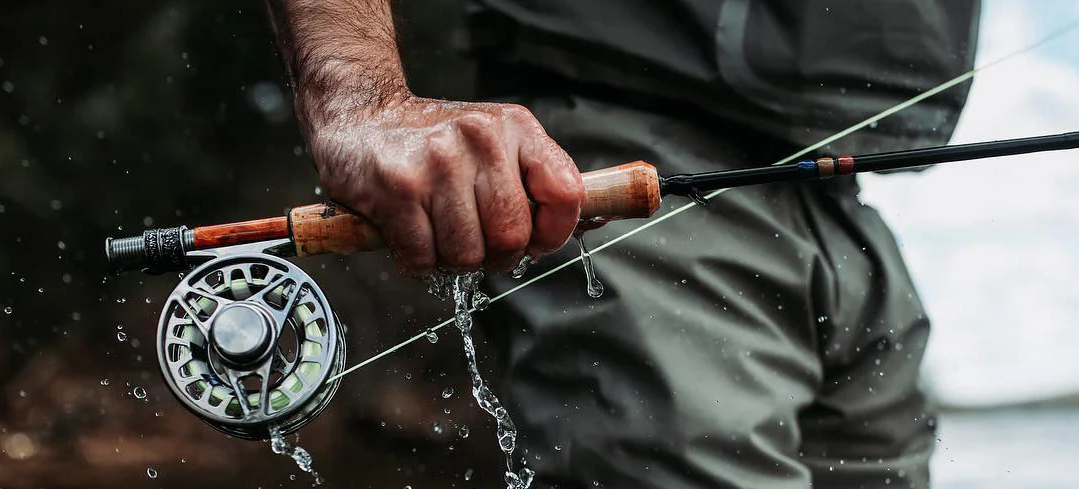
A fly fishing rod is the foundation of fly fishing. While reels, lines, and flies are important, the rod ultimately determines how accurately you cast, how delicately you present a fly, and how effectively you fight a fish. Unlike conventional fishing, fly fishing relies on the weight of the line rather than the lure, which means the rod’s design, flexibility, and balance play a far greater role.
Whether you are standing knee-deep in a mountain stream targeting trout, casting long loops on a saltwater flat, or learning the mechanics through a digital world like Old School RuneScape, understanding fly fishing rods will dramatically improve your success. This guide explains everything—from rod and reel combinations to holders, buying advice, and real-world use—so you can make informed decisions with confidence.
What Is a Fly Fishing Rod and How It Works
A fly fishing rod is a long, flexible rod specifically engineered to cast lightweight artificial flies by loading and unloading energy through the fly line. Unlike spinning or baitcasting rods, fly rods are matched to line weight rather than lure weight.
The rod bends during the casting stroke, storing energy that transfers into the line. This creates controlled loops that deliver the fly gently onto the water’s surface. The balance between stiffness and flexibility—known as rod action—is what defines how a rod performs in different environments.
Modern fly fishing rods are typically made from graphite, fiberglass, or bamboo. Graphite dominates the market due to its strength, light weight, and responsiveness, while fiberglass offers slower, more forgiving action, and bamboo appeals to traditionalists for its feel and craftsmanship.
Fly Fishing Rod Length, Weight, and Action
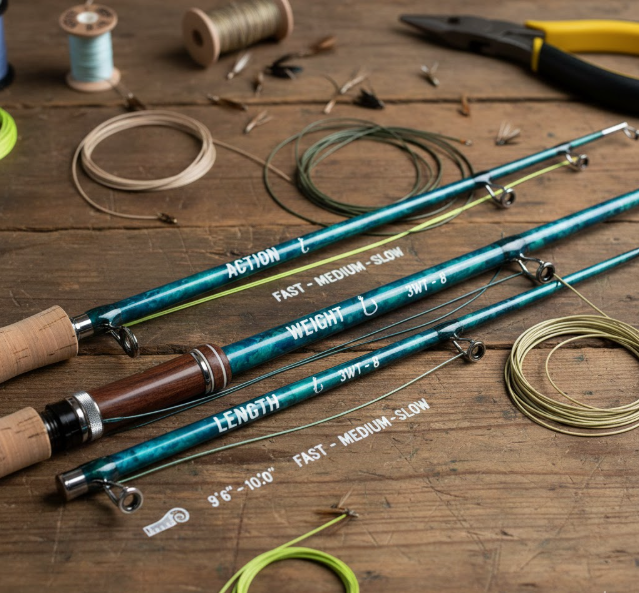
Choosing the right fly fishing rod begins with understanding three core specifications: length, weight, and action.
Rod length affects casting distance and line control. Shorter rods excel in tight, brush-covered streams, while longer rods improve mending and distance on wide rivers or lakes. Most anglers start with a 9-foot rod because it offers versatility across multiple fishing conditions.
Rod weight refers to the fly line size the rod is designed to cast. Lighter weights are ideal for small fish and delicate presentations, while heavier weights handle larger fish, wind, and bulky flies. Action describes how much of the rod bends during casting. Fast-action rods bend near the tip and provide power and distance, while slow-action rods bend deeper and offer finesse.
Understanding these characteristics helps anglers match the rod to their target species, water type, and personal casting style.
Also Read:- CoreWeave News: In-Depth Analysis of the AI Cloud Company Powering the Future
Fly Fishing Rod and Reel: Why Balance Is Critical
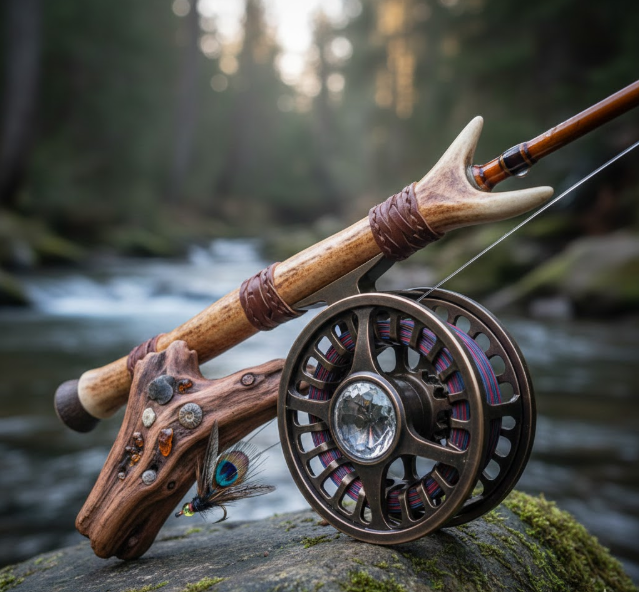
A fly fishing rod and reel must work together as a balanced system. Unlike spinning setups, the reel in fly fishing primarily stores line and provides drag, while the rod does most of the casting work.
Balance matters because an improperly matched reel can cause fatigue, reduce casting accuracy, and make line control difficult. When a reel is correctly sized, the rod feels neutral in hand, allowing smooth casting motions without strain.
The reel’s drag system becomes crucial when fighting strong fish, especially in saltwater or fast rivers. A quality reel complements the rod’s strength and ensures consistent pressure without breaking tippets or hooks.
For beginners, purchasing a matched rod and reel setup often simplifies the learning process and reduces compatibility issues.
Also Read:- How to Block Your Number: The Complete Guide for iPhone, Android, and Landlines
Fly Fishing Rod Combo: Ideal Choice for Beginners
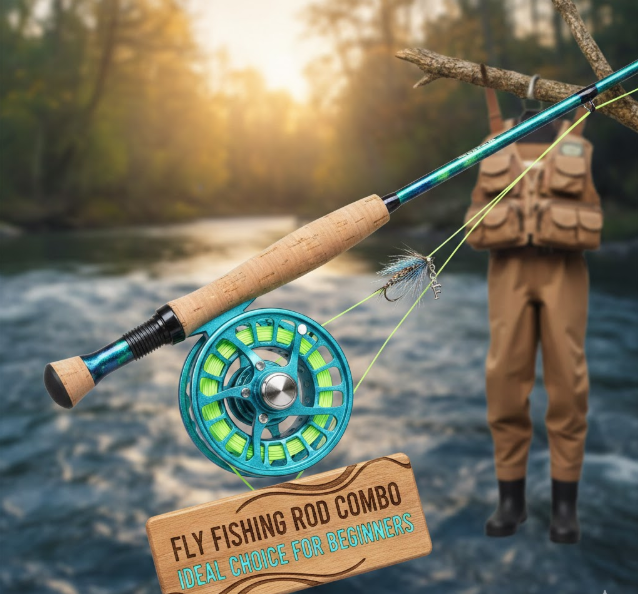
A fly fishing rod combo typically includes a rod, reel, fly line, backing, and leader. These kits are designed to work together straight out of the box, making them an excellent choice for newcomers.
Combos eliminate guesswork by ensuring the rod weight matches the line and reel capacity. This allows beginners to focus on casting technique and reading water rather than troubleshooting equipment mismatches.
While high-end anglers may prefer custom setups, many modern combos offer impressive quality, durability, and performance at reasonable prices. They are also convenient for travel and backup gear.
A well-chosen fly fishing rod combo can remain useful even as skills advance, particularly for casual trips or secondary fishing styles.
Also Read:- SimplySseven.net: Your Ultimate Destination for Quality Content and Resources
Best Fly Fishing Rod and Reel: What Makes a Setup “Best”
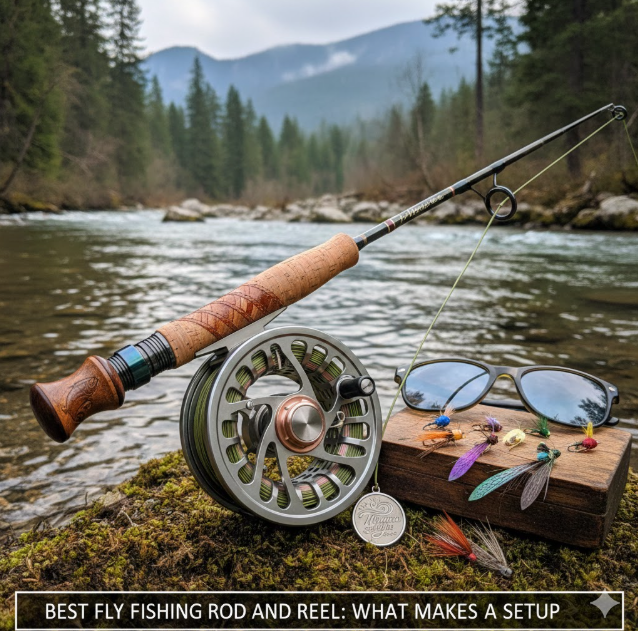
The best fly fishing rod and reel combination depends on how, where, and what you fish. There is no single “best” setup for everyone, but there are clear performance standards that define quality.
A top-tier rod offers consistent flex, responsive recovery, and durable construction. The reel should feature a smooth drag system, corrosion resistance, and sufficient capacity for line and backing.
Professional anglers often prioritize reliability and precision, while recreational anglers value comfort and versatility. Matching the setup to your fishing environment—small streams, large rivers, or saltwater flats—is more important than chasing premium labels.
The best setup is one that enhances your confidence, improves casting efficiency, and performs consistently under real fishing conditions.
Also Read:- How to Turn Off iPhone: The Complete Step-by-Step Guide for All Models
Fly Fishing Rod Holder: Convenience and Protection Explained
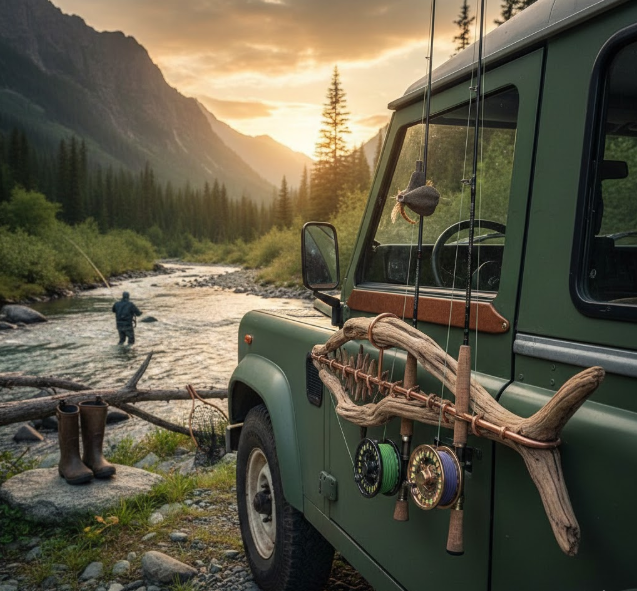
A fly fishing rod holder is a practical accessory designed to protect your rod and keep it secure when not in use. Whether mounted on a boat, vehicle, or worn on a pack, rod holders reduce the risk of accidental damage.
Rod holders are especially valuable when changing flies, handling fish, or navigating rough terrain. They allow anglers to keep rods off the ground, preventing scratches, broken guides, or snapped tips.
For drift boats and kayaks, mounted rod holders provide quick access while maintaining safety. Bank anglers often use portable holders to organize multiple rods efficiently.
Though often overlooked, a quality rod holder extends the lifespan of your fly fishing rod and improves overall fishing efficiency.
Also Read:- Tecnology Explained: Trends, Impact, and the Future
Fly Fishing Rod Materials: Graphite, Fiberglass, and Bamboo
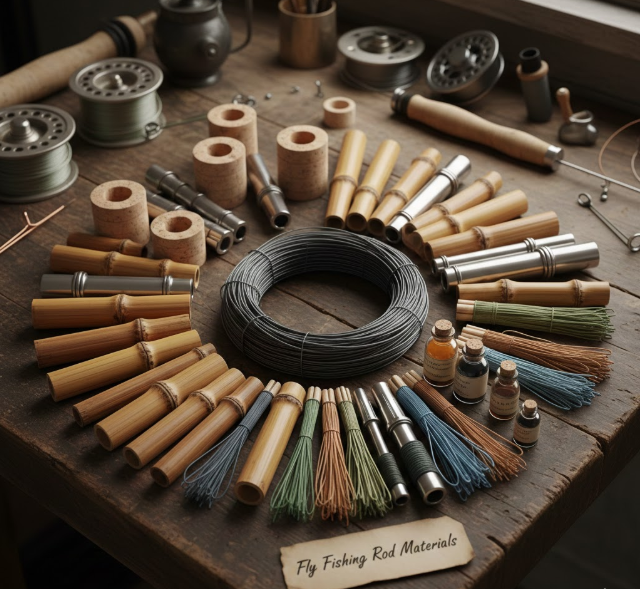
Material choice significantly affects how a fly fishing rod feels and performs. Graphite rods dominate the market due to their light weight, strength, and fast recovery, making them suitable for a wide range of techniques.
Fiberglass rods offer slower action and increased durability, making them forgiving for beginners and enjoyable for short-range casting. They excel in small streams where delicate presentations matter.
Bamboo rods represent tradition and craftsmanship. While heavier and more expensive, they provide a smooth casting rhythm prized by experienced anglers.
Choosing the right material depends on personal preference, fishing style, and the environments you frequent.
Also Read:- Mind Flayer Stranger Things: Meaning, Origin, Powers
Fly Fishing Rod Maintenance and Care
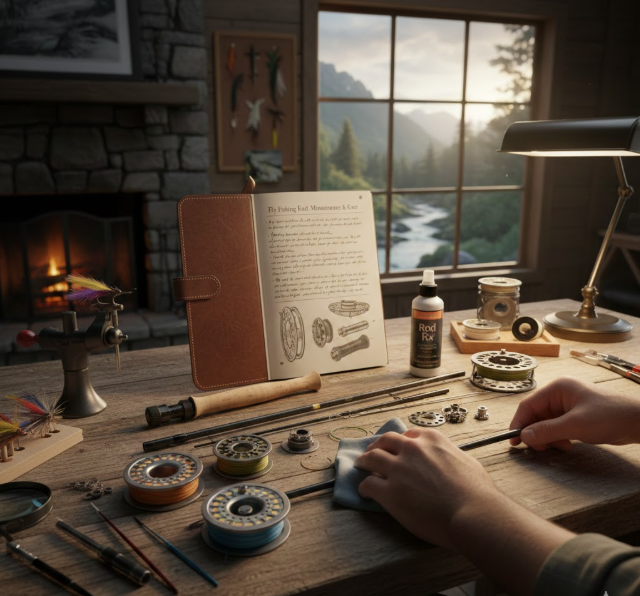
Proper care ensures a fly fishing rod performs well for years. Rinse rods with fresh water after use, especially in saltwater environments, to prevent corrosion and grit buildup.
Inspect guides regularly for cracks that can damage fly line. Store rods in protective tubes when traveling and avoid leaving them exposed to extreme heat.
Routine maintenance not only preserves performance but also protects your investment and ensures reliability during critical moments on the water.
Also Read:- Why Knowing How to Block Someone on TikTok Matters
Fly Fishing Rod OSRS: Learning Through Virtual Fishing
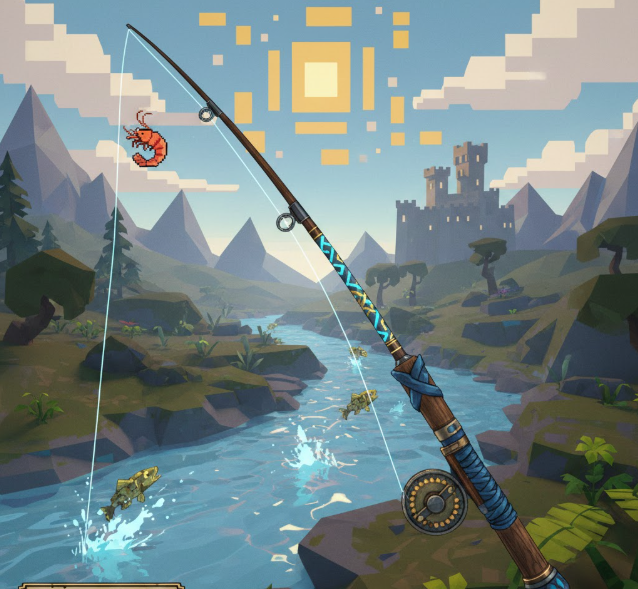
In Old School RuneScape, fly fishing introduces players to fishing mechanics using fly rods and feathers. While simplified, OSRS mirrors real-world concepts such as tool selection, location relevance, and progression.
Players use fly fishing rods to catch trout and salmon, reinforcing the idea that different tools suit different targets. For many players, OSRS becomes an early exposure to fly fishing terminology and concepts.
Though virtual, the experience helps demystify fly fishing for beginners and sparks interest in real-world angling.
Also Read:- Pop-Tarts Bowl 2024: Game Info, Tickets & Experience
Frequently Asked Questions About Fly Fishing Rods
What is the best fly fishing rod for beginners?
A 9-foot, 5-weight graphite rod is widely considered the most versatile beginner choice.
Do fly fishing rods come with reels?
Some are sold separately, while rod combos include reels and pre-matched components.
How long does a fly fishing rod last?
With proper care, a quality rod can last decades.
Is fly fishing harder than regular fishing?
It has a steeper learning curve but becomes intuitive with practice.
Can fly fishing rods be used in saltwater?
Yes, but saltwater-specific rods and corrosion-resistant reels are recommended.
Conclusion:
A fly fishing rod is more than just a tool—it is the connection between angler, line, and fish. Understanding rod design, materials, balance with reels, and practical accessories like holders empowers you to fish more effectively and enjoy the experience fully.
Whether you’re buying your first combo, upgrading to a premium rod and reel, or exploring fly fishing through OSRS, informed choices lead to better performance and greater satisfaction. By focusing on quality, balance, and suitability to your fishing style, you can confidently select a fly fishing rod that grows with your skills and passion.
For More UpdateS Visit: News Brick
