
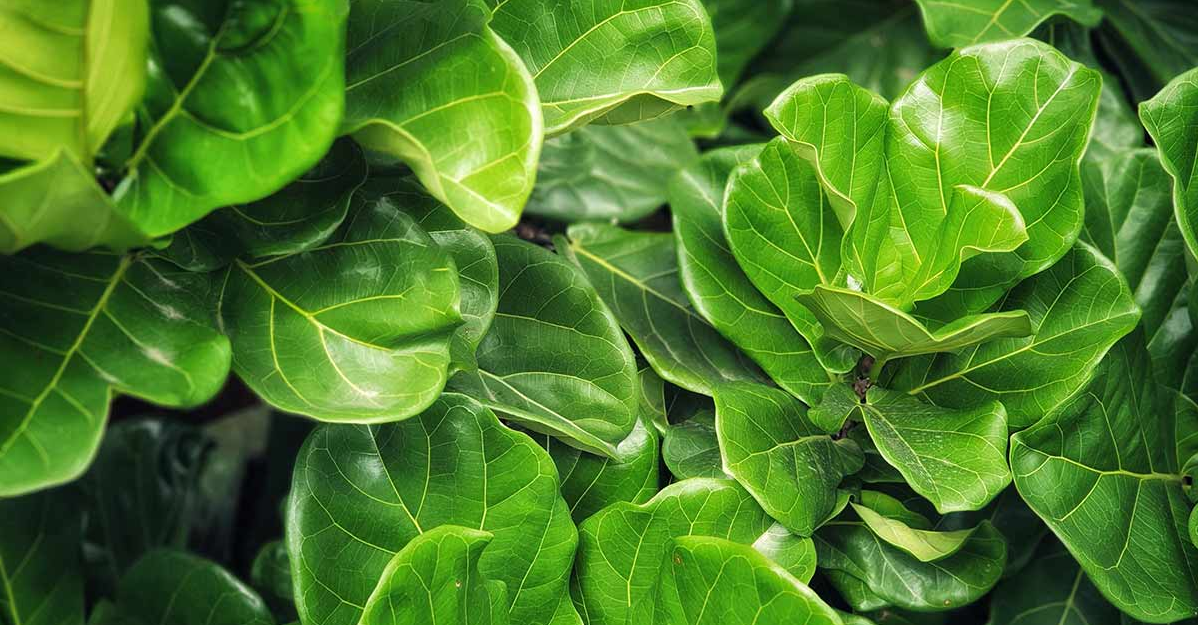
Fiddle leaf fig care is one of the most searched houseplant topics in the world—and for good reason. The fiddle leaf fig, known for its dramatic violin-shaped leaves and sculptural form, has become a symbol of modern interior design. Yet many plant lovers struggle to keep it alive, let alone thriving. Brown spots, leaf drop, slow growth, and root rot often frustrate beginners and experienced gardeners alike.
This in-depth guide to fiddle leaf fig care instructions is written for real people, not search engines alone. Drawing on horticultural best practices, professional grower insights, and university-backed research, this article explains exactly how to care for a fiddle leaf fig indoors, outdoors, and during winter. You’ll learn not just what to do, but why it works—so you can confidently adjust care based on your home, climate, and lifestyle.
Whether you’re new to houseplants or want to level up your indoor fiddle leaf fig care, this long-form guide will serve as your go-to reference.
Understanding the Fiddle Leaf Fig Plant
Before diving into fiddle leaf fig care tips, it’s important to understand the plant itself. The fiddle leaf fig, botanically known as Ficus lyrata, is native to lowland tropical rainforests of West Africa. In its natural habitat, it grows outdoors as a large tree, receiving bright filtered sunlight, warm temperatures, high humidity, and consistent moisture without waterlogging.
This natural background explains most fiddle leaf fig care instructions. The plant prefers stability, gentle light, warm air, and evenly moist—but never soggy—soil. Problems arise when indoor environments deviate too sharply from these conditions.
Why Fiddle Leaf Fig Care Is Often Misunderstood
Many care guides oversimplify or rely on rigid rules. In reality, fiddle leaf fig care is about balance and observation. Overwatering kills more fiddle leaf figs than underwatering. Sudden changes in light or temperature can cause leaf drop. Poor drainage suffocates roots even if watering seems “correct.”
According to horticulture specialists at University of Florida IFAS, ficus species respond best to consistent conditions and gradual adjustments. Understanding this principle alone can dramatically improve your success.
Indoor Fiddle Leaf Fig Care: Creating the Ideal Environment
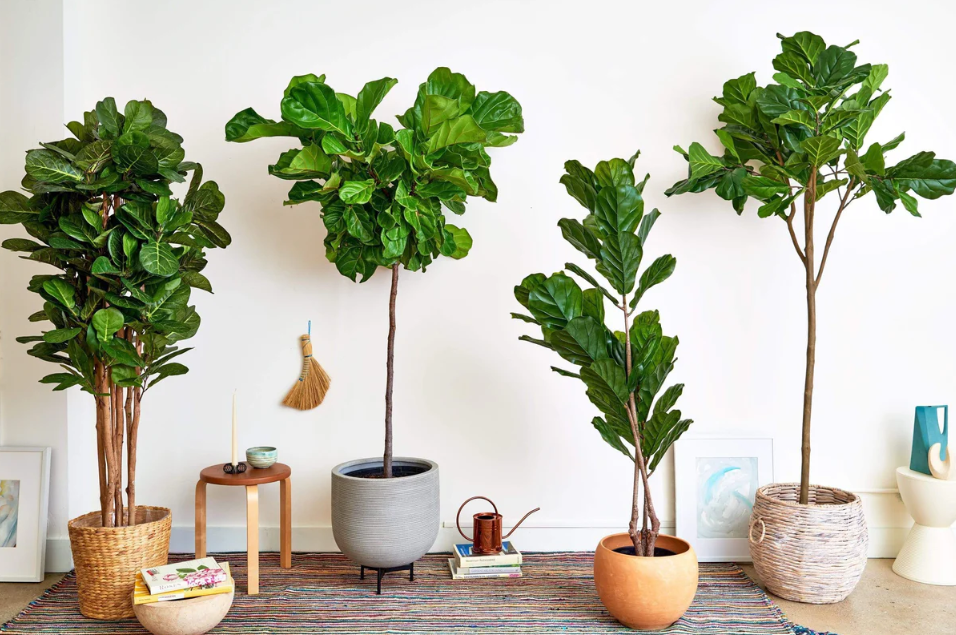
Indoor fiddle leaf fig care is where most people encounter challenges, primarily because homes are very different from tropical forests.
Light Requirements for Indoor Growth
Light is the single most important factor in fiddle leaf fig care. Indoors, these plants require bright, indirect light for several hours per day. A location near a large east- or south-facing window is ideal. The plant should be able to “see” the sky, but not receive intense, direct midday sun that can scorch leaves.
If light is insufficient, growth slows, new leaves remain small, and older leaves may drop. Research published by Royal Horticultural Society confirms that inadequate light is a leading cause of indoor ficus decline.
Rotating the plant slightly every one to two weeks ensures even growth and prevents leaning.
Watering Indoors Without Killing the Plant
Watering mistakes are the most common fiddle leaf fig care issue. The correct approach is deep but infrequent watering. Allow the top two to three inches of soil to dry out before watering again. When you water, do so thoroughly until excess water drains from the bottom.
Never let the plant sit in standing water. Roots need oxygen, and soggy soil leads to root rot—a condition that is often fatal if not caught early.
Humidity also affects watering frequency. In dry homes, soil dries faster; in humid environments, it stays wet longer. This is why rigid watering schedules rarely work.
Soil and Drainage for Long-Term Health
Fiddle leaf fig care instructions always emphasize well-draining soil. A high-quality indoor plant mix amended with pine bark, perlite, or coarse sand allows water to move freely while retaining enough moisture for roots.
Professional growers recommend pots with drainage holes as non-negotiable. Decorative cachepots should only be used if the plant is inside a removable nursery pot.
Temperature and Air Flow Considerations
Fiddle leaf figs prefer temperatures between 65°F and 85°F. Sudden cold drafts, air conditioning vents, or heaters can shock the plant, leading to leaf drop.
According to studies cited by Cornell Cooperative Extension, ficus species are sensitive to rapid environmental changes. Stability matters more than perfection.
Avoid placing your plant near exterior doors or drafty windows, especially during winter.
Also Read:- Nourish Login Guide Secure Access for UK Care Providers
Fiddle Leaf Fig Care Outdoors: What You Need to Know
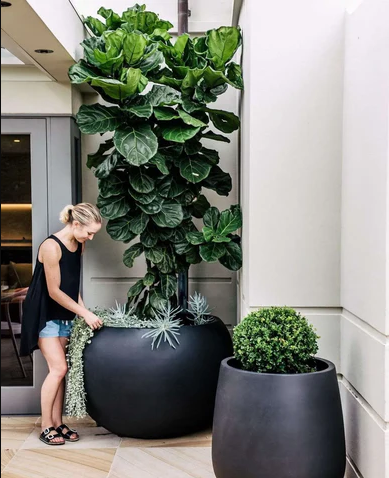
Fiddle leaf fig care outdoors is possible—and often highly successful—in warm climates. When grown outside in appropriate conditions, these plants grow faster, develop stronger trunks, and produce larger leaves.
Ideal Outdoor Conditions
Outdoor works best in USDA hardiness zones 9–11. The plant should be placed in partial shade or filtered sunlight, protected from harsh afternoon sun. Morning sun combined with afternoon shade closely mimics its native environment.
Outdoor soil must drain extremely well. Raised beds or large containers work best to prevent water accumulation during heavy rain.
Transitioning From Indoors to Outdoors
One critical tip is gradual acclimation. Moving a plant directly from indoors to full outdoor light can cause sunburn, visible as pale or brown patches on leaves.
Start by placing the plant outdoors for one to two hours per day in shade, increasing exposure over one to two weeks. This slow transition allows the leaves to adapt.
Fertilizing for Strong Growth
Proper nutrition is essential for fiddle leaf fig care, especially during the growing season. Use a balanced fertilizer with nitrogen, phosphorus, and potassium, along with micronutrients like magnesium and calcium.
During spring and summer, fertilize approximately once a month. In fall and winter, reduce or stop fertilization entirely, as growth naturally slows.
Overfertilization can cause salt buildup in the soil, leading to leaf edge burn. Occasional flushing with plain water helps prevent this issue.
Pruning and Shaping a Fiddle Leaf Fig
Pruning is often overlooked in instructions, yet it plays a key role in shaping and health. Removing damaged or diseased leaves allows the plant to redirect energy to healthy growth.
Pruning can also encourage branching. Cutting just above a node may stimulate new growth points, creating a fuller plant over time.
Always use clean, sharp tools to prevent disease transmission.
Also Read:- 7 Unique Tree Species That Can Transform Your Garden
Fiddle Leaf Fig Care in Winter: Avoiding Seasonal Stress
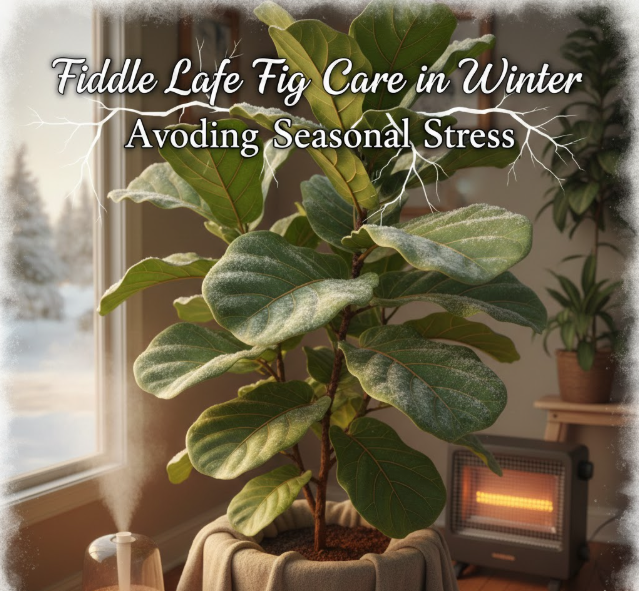
Fiddle leaf fig care in winter requires special attention. Reduced daylight, lower humidity, and temperature fluctuations can stress the plant.
Light Adjustments During Winter
Move the plant closer to a bright window during winter months. Supplemental grow lights can be extremely beneficial, especially in northern regions. Studies referenced by Missouri Botanical Garden show that consistent light prevents winter leaf drop in tropical houseplants.
Watering Less, Observing More
In winter, the plant uses less water. Soil takes longer to dry, so overwatering becomes a greater risk. Always check moisture levels manually rather than following a schedule.
Managing Indoor Humidity
Heating systems dry indoor air. Increasing humidity through humidifiers or grouping plants together can significantly improve outcomes during winter.
Also Read:- Sodiceram Innovative Ceramic Tile Solutions for Modern Spaces
Common Problems and How to Fix Them
Brown spots, yellowing leaves, and sudden leaf drop are common complaints. Most issues trace back to water imbalance, poor light, or environmental shock.
Brown spots with yellow halos often indicate root rot or bacterial infection caused by excess moisture. Dry, crispy edges usually signal underwatering or low humidity. Sudden leaf drop typically results from temperature changes or relocation.
Understanding cause and effect is essential. Treat symptoms, but correct the underlying care issue to prevent recurrence.
Long-Term Care and Repotting Strategy
Fiddle leaf figs do not need frequent repotting. Repot every 18 to 24 months or when roots begin circling the pot. Choose a pot only one to two inches larger in diameter to avoid excess soil moisture.
Long-term focuses on consistency rather than constant intervention. Plants that are left to adapt and stabilize often outperform those that are frequently moved or adjusted.
Frequently Asked Questions About Fiddle Leaf Fig Care
How often should I water a fiddle leaf fig?
Water only when the top few inches of soil are dry. Frequency depends on light, temperature, and humidity.
Can fiddle leaf figs live outdoors year-round?
Yes, in warm climates without frost. In cooler regions, they should be brought indoors before temperatures drop.
Why are my fiddle leaf fig leaves dropping?
Leaf drop is usually caused by environmental shock, overwatering, or insufficient light.
Is misting necessary for fiddle leaf fig care?
Misting provides limited benefit. Consistent humidity through a humidifier is more effective.
Conclusion: Mastering Fiddle Leaf Fig Care With Confidence
Is not about perfection—it’s about understanding the plant’s natural needs and responding thoughtfully. With proper light, mindful watering, good drainage, and seasonal adjustments, this iconic plant can thrive for years, becoming a centerpiece in your home or garden.
By applying the indoor strategies, outdoor transition methods, winter protection techniques, and long-term maintenance tips outlined in this guide, you move from guesswork to expertise. Healthy growth is not luck; it’s informed care.
For More UpdateS Visit: News Brick
